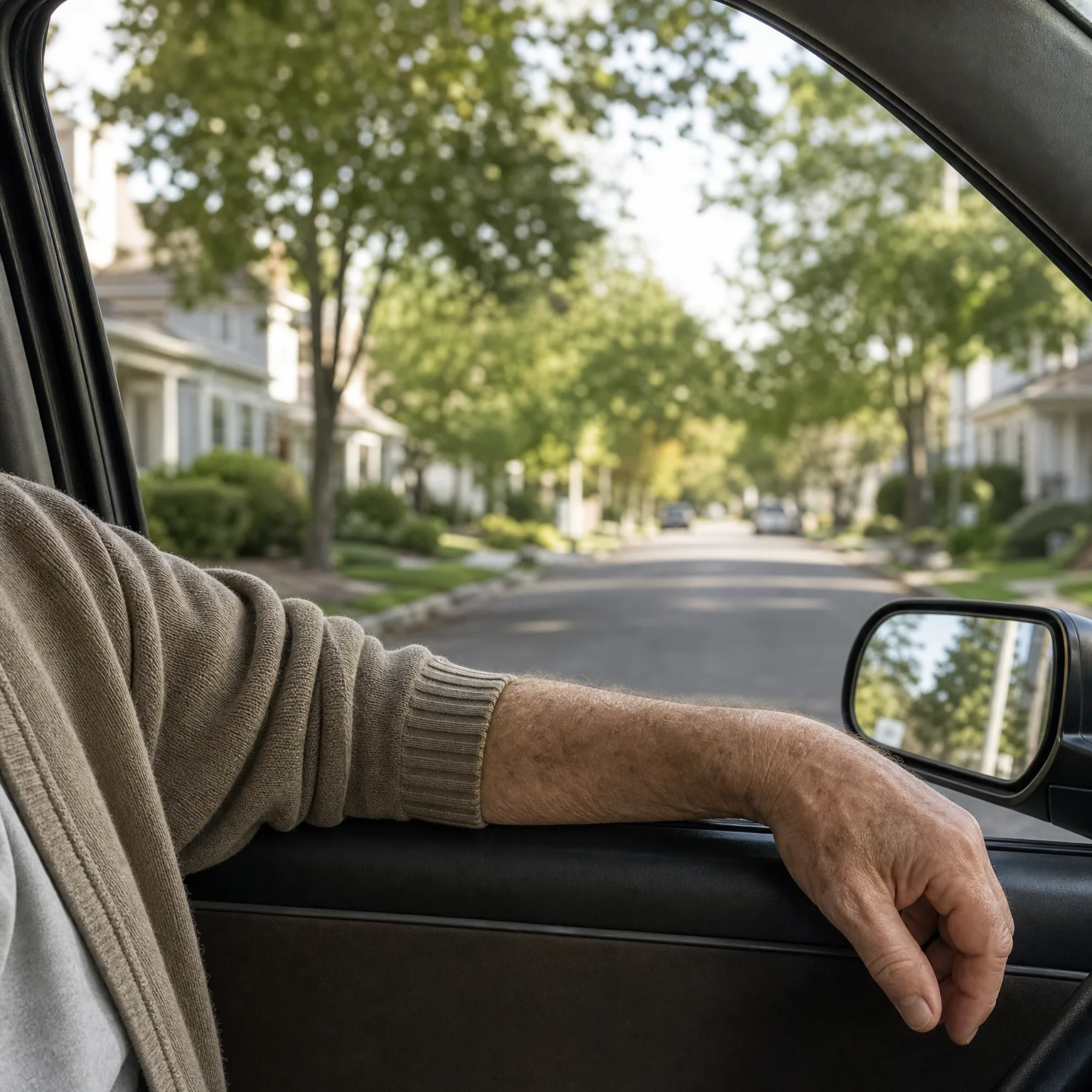
Can Airbags Injure Older Drivers
Airbags can injure older drivers more severely because bones and chest tissue become more fragile with age, but sitting farther back and keeping the system maintained lowers that risk.
Yes, age changes how an airbag affects you
Airbags are built to protect the average adult, and crash data shows older drivers are more likely to suffer broken ribs, chest injuries, or other harm from the force of a deploying airbag than younger drivers are. The bag isn't the hazard by itself. It's the combination of how hard it deploys and how much that force a body can absorb.
Bone density drops with age, and the chest wall stiffens, so the same impact that would bruise a younger driver can crack ribs or injure the sternum in an older one. This isn't true for every older driver. Someone in excellent health may tolerate a deployment the same as someone decades younger. But the risk runs higher as a group, and it's part of why some insurers ask about health conditions or request a doctor's note for drivers past a certain age.
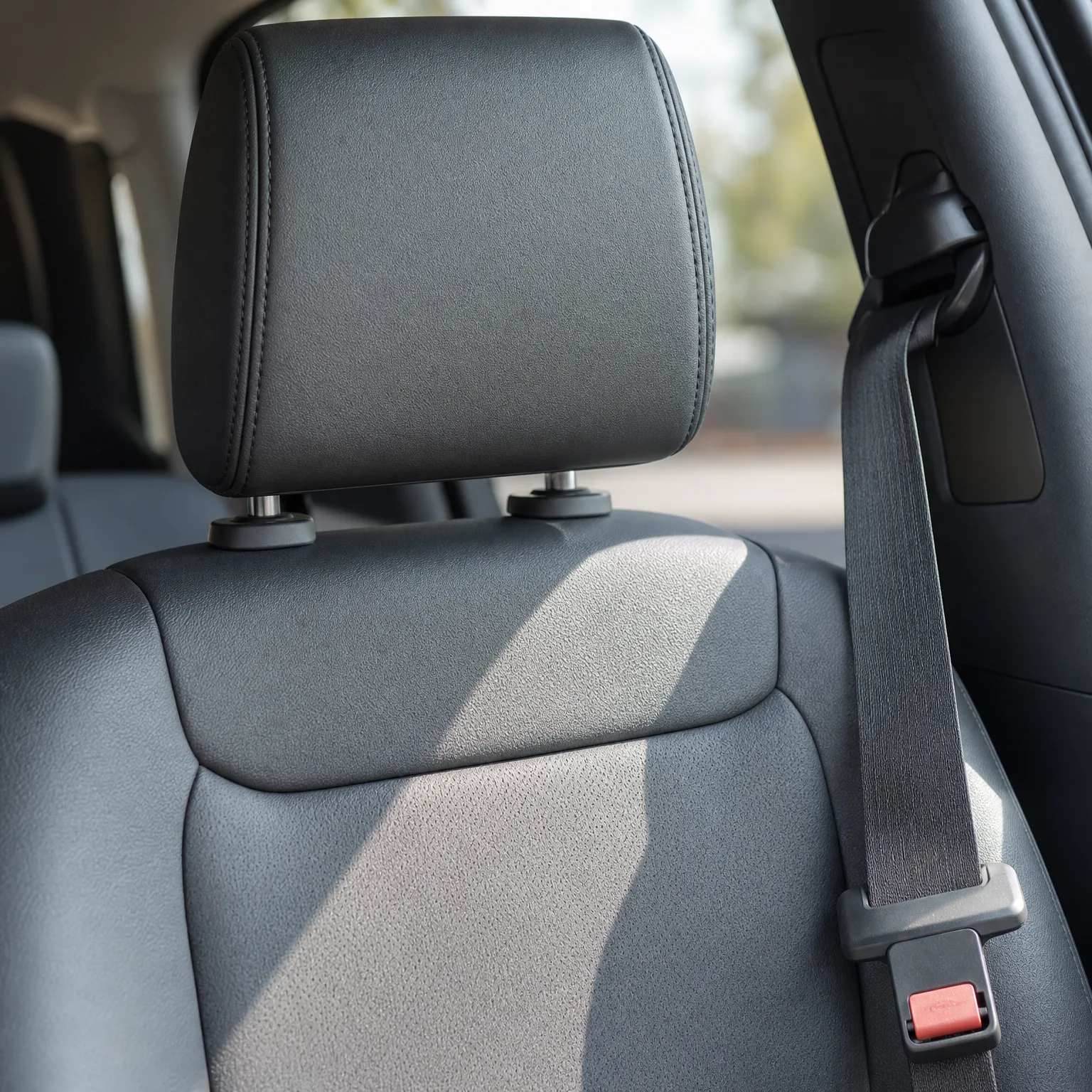
How close you sit to the wheel
Distance from the steering wheel is one of the biggest things a driver controls. An airbag deploys at high speed, and the force it delivers drops off sharply the farther away a person is when it inflates. Sitting close puts a driver's chest and face directly in the path of that initial burst.
Many older drivers sit closer than they need to, often to reach the pedals comfortably or to see over the dashboard. Pedal extenders, seat risers, and adjustable seats can let a driver move back while still reaching the controls safely. It's worth asking a mechanic or a driving rehabilitation specialist about these adjustments rather than assuming the seating position has to stay fixed.
The angle of the seat back matters too. Reclining even slightly changes how the chest meets the airbag's force. A driver's manual or a dealer can usually advise on the safest adjustable range for a specific vehicle.
The condition of the airbag system itself
An airbag that deploys the way it was designed to is safer than one that doesn't, and that depends on maintenance most drivers never think about. Airbags have a service life, and the sensors and inflators can degrade over many years, especially in a car that's been through minor fender benders or sat in extreme heat.
A dashboard warning light for the airbag system should never be ignored, and a mechanic can check whether a vehicle has had a safety recall related to its airbags. Some older cars, including ones no older drivers have owned for decades, were part of large airbag recalls where the inflator itself could rupture and cause far worse injury than the deployment was meant to prevent.
If a car hasn't been checked for open recalls, that's a simple thing to look into this week using the vehicle identification number.
Questions people ask about this
Should an older driver turn off a passenger airbag?
Only if a passenger's doctor or a specific medical condition calls for it, and only through a dealer-installed on-off switch approved for that vehicle. Turning off an airbag removes a layer of protection in a crash, so this is a decision to make with a doctor and a dealer, not on your own.
Can a smaller or shorter driver be at higher risk from airbags?
Yes, because airbags are calibrated for an average-sized adult, and someone smaller sits closer to the wheel to reach the pedals. This compounds with age-related fragility, which is why seat and pedal adjustments matter even more for older drivers who are also smaller in frame.
Do newer cars have safer airbags for older drivers?
Many newer vehicles use multi-stage airbags that adjust their force based on crash severity, and some factor in seat position or occupant weight. This isn't universal across all makes and models, so it's worth asking a dealer or checking a specific vehicle's safety features rather than assuming.
Does a health condition affect how an airbag injures someone?
Yes, conditions like osteoporosis, heart disease, or prior chest surgery can make airbag-related injury more likely or more serious. A driver with any of these conditions should talk to their doctor about safe driving positions and mention it when discussing vehicle safety with a dealer or mechanic.
Will an insurer ask about airbag risk when setting a rate for an older driver?
Insurers vary in what they ask and how they weigh it, so this depends on the company. Some request health information or a doctor's evaluation as part of underwriting for older drivers, and the best way to know is to ask a specific insurer directly what their process involves.
See how insurers weigh age and vehicle safety before you settle on a policy.

Check your car's vehicle identification number for any open airbag recalls, since this takes only a few minutes online or with a call to a dealer. Ask a mechanic to inspect the airbag system if the car is older or has been in any prior accidents. If you sit close to the wheel, ask about pedal extenders or seat adjustments that let you move back safely. Mention any relevant health conditions to your doctor and ask whether your driving position should change. When you're ready to compare coverage, have your driving record and vehicle details on hand so you can ask each insurer directly how they factor in age and health.