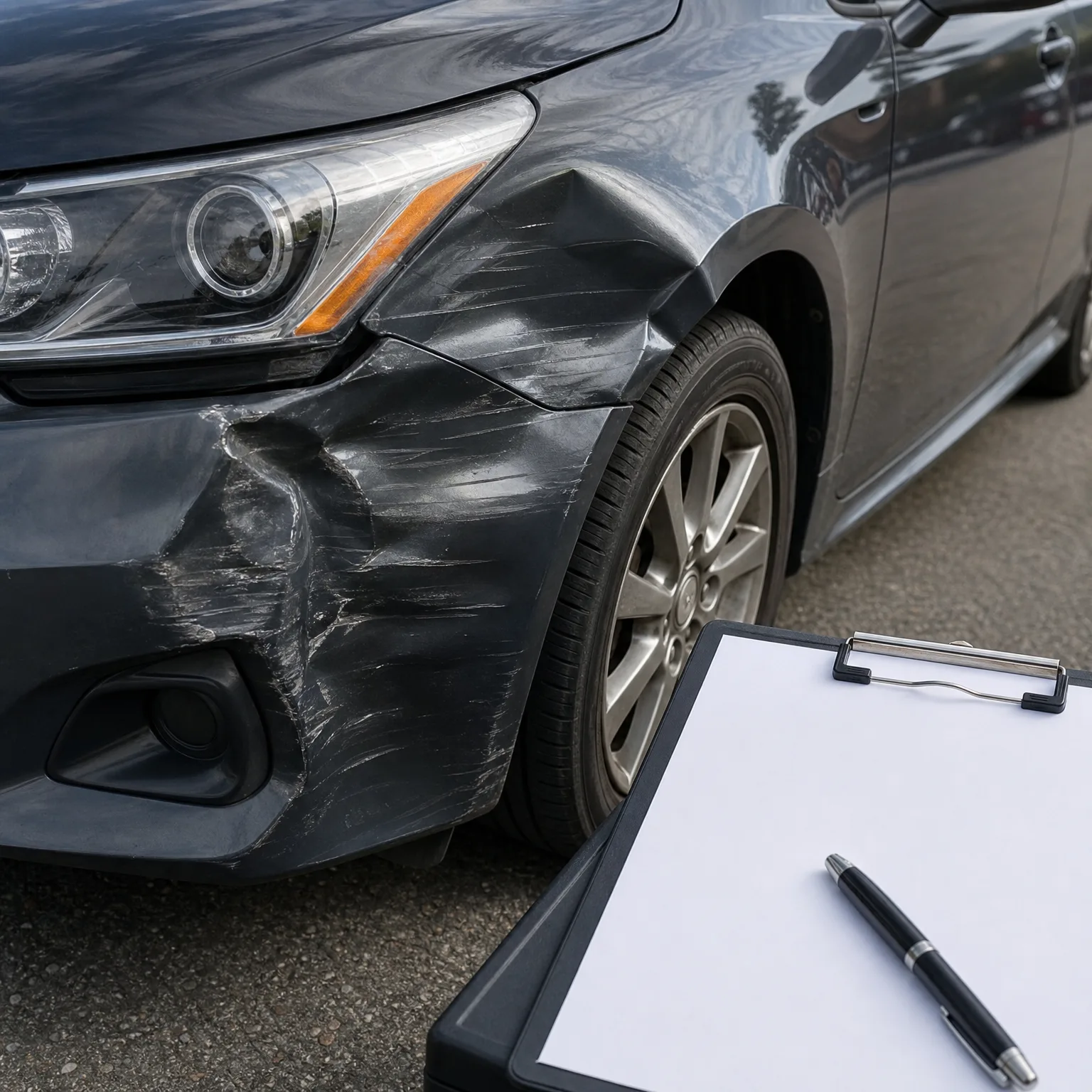
Medical Bills After a Car Accident
Who pays depends on your state's rules and the coverage you already carry, not on who caused the crash.
It depends on your state and your own policy, not just who was at fault
Some states require drivers to carry personal injury protection or medical payments coverage that pays your medical bills first, no matter who caused the accident. Other states work strictly on fault, meaning the at-fault driver's liability insurance is supposed to cover your injuries, though you often have to wait for that claim to be settled or file your own injury claim to get it paid.
Your health insurance can also come into play, either paying your bills up front while the car insurance claim works itself out, or stepping in afterward to recover what it paid. Which of these applies to you depends on where you live and what coverage is listed on your policy, so the first thing to check is your declarations page and your state's rules.

Whether your state is no-fault or at-fault
In a no-fault state, your own personal injury protection pays your medical bills up to your policy's limit regardless of who caused the accident. This is meant to get your bills paid quickly, without waiting on an investigation into fault.
In an at-fault state, the driver who caused the accident is responsible for your medical costs through their liability coverage. That sounds simple, but it means your bills may sit unpaid while the insurers sort out fault, and you may need to use your own health insurance or medical payments coverage in the meantime.
Some states let insurers offer no-fault coverage as an option rather than a requirement. If you're not sure which rule applies where you live, your state's department of insurance website will say, and your agent can tell you what's actually on your policy.
Either way, call your own insurer after an accident and ask what coverage you have for medical costs. Don't assume the other driver's insurance will simply start paying.

What your own policy actually includes
Liability insurance, which most states require, only pays for the other driver's injuries if you're at fault. It does nothing for your own medical bills. If you want coverage for yourself, you need personal injury protection or medical payments coverage added to your policy, and not every driver has either one.
Medical payments coverage, where it's available, pays your medical bills up to its limit regardless of fault, similar to personal injury protection but usually simpler and without the wage or other benefits that PIP can include.
Your health insurance plan matters here too. Many health plans will pay your medical bills after an accident, then seek reimbursement later if you recover money from the at-fault driver's insurer. Read your plan's rules on this, since it affects how much of a settlement you actually keep.
If you're not sure what you're carrying, ask your insurer directly whether your policy includes personal injury protection or medical payments coverage, and what the limit is.
Questions people ask about this
Does my insurance rate go up if someone else caused the accident and I file a claim for my medical bills?
Filing a claim under your own medical payments or personal injury protection coverage is different from filing a claim as the at-fault driver, and insurers generally don't treat you as at fault just because you used your own coverage. That said, how any claim affects your rate depends on your insurer's own rules, so ask your agent directly how they handle claims where you weren't at fault.
What if the at-fault driver has no insurance?
This is what uninsured motorist coverage is for, and some states require it while others make it optional. If you have it, it can pay your medical bills when the at-fault driver has no insurance or not enough of it. Check your policy or ask your insurer whether you carry this coverage and what your limit is.
Can the other driver's insurance company contact me directly after the accident?
They may try, since they're investigating the claim, but you're not required to give a recorded statement to their insurer. It's reasonable to direct them to your own insurer or an attorney instead. What you say to them can affect the claim, so think before answering questions from a company that isn't yours.
How long do I have to file a claim for medical bills from a car accident?
Every state sets its own deadline, called a statute of limitations, for filing a claim related to an accident, and it can differ for property damage versus injury claims. Check your state's rules or ask an attorney, since missing the deadline can mean losing the right to recover costs at all.
Will my health insurance deny a claim related to a car accident?
Not automatically, but many health plans ask about accidents and may coordinate with your car insurance or seek reimbursement if another insurer later pays for the same injury. Read your plan documents or call your health insurer to understand how they handle accident-related claims.
If you're reviewing your coverage after an accident, it's worth seeing what medical coverage other policies include.

Pull out your auto policy's declarations page and check whether you carry personal injury protection or medical payments coverage, and note the limits. Call your insurer and ask them to explain, in plain terms, what happens to your medical bills if you're injured in an accident, whether or not you're at fault. Ask your state's department of insurance website whether you live in a no-fault or at-fault state, since that changes who you deal with first. If you're already dealing with bills from a recent accident, keep every bill and record of treatment, since you may need them regardless of which insurer ultimately pays. If fault or coverage is disputed, consider asking a local attorney who handles car accident claims what your options are before you accept any settlement.