Does PIP Cover Me as a Passenger
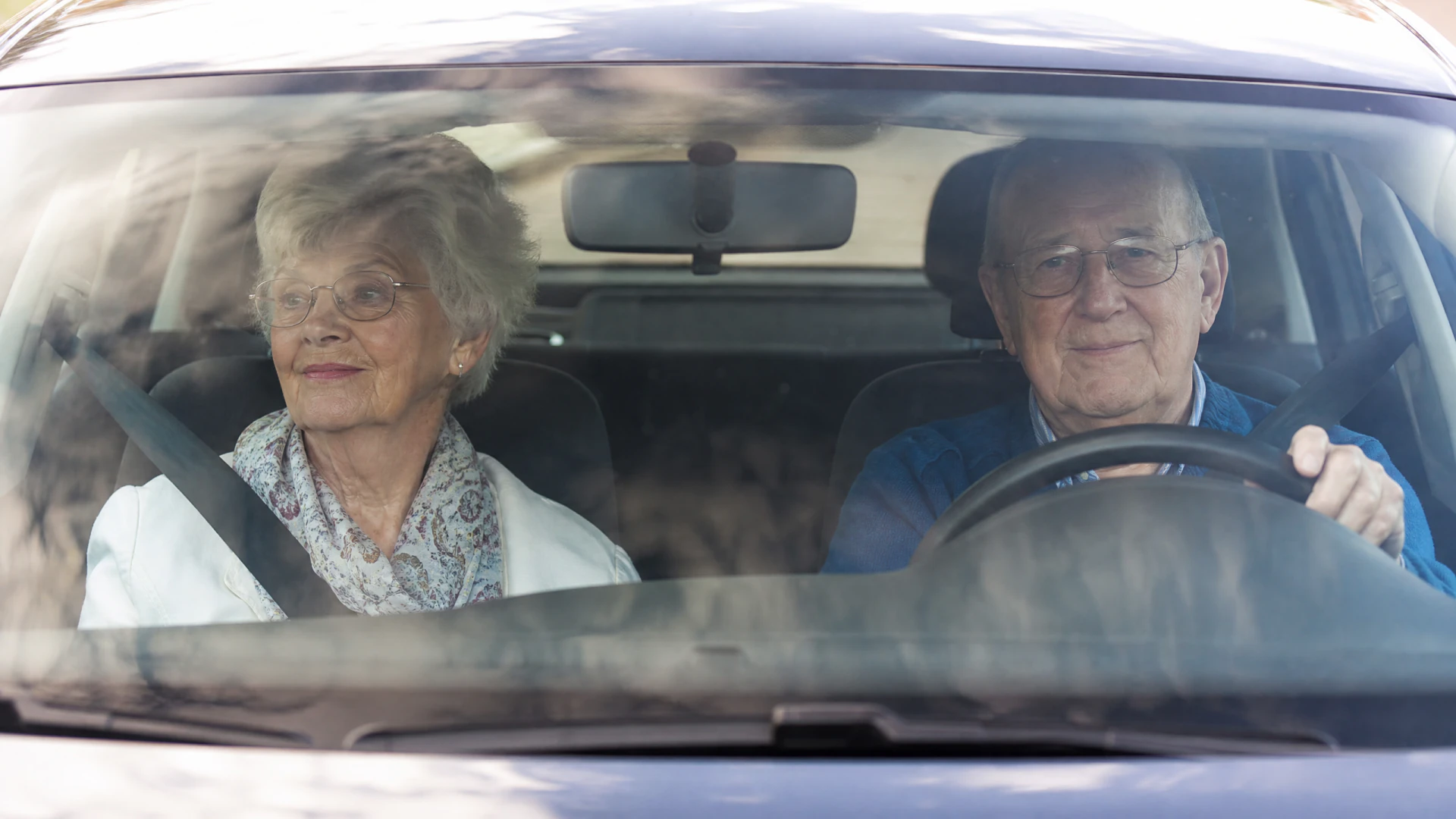
In most states that require PIP, it covers you as a passenger in someone else's car, not just as a driver in your own.
Yes, in states that require PIP
PIP, personal injury protection, is built to follow the person, not just the car. In the states that require it, your own PIP coverage usually pays your medical bills if you're hurt riding as a passenger, whether you're in your spouse's car, a friend's car, or a rideshare.
The details depend on your state and your policy. Some states let the car's PIP cover everyone inside it, with your own policy as backup. Others have rules about which policy pays first when more than one PIP policy could apply. If you're not sure how your state handles it, your insurer or agent can tell you exactly what your policy does for you as a passenger.
Whether your state requires PIP at all
PIP only exists as a coverage if your state requires it or makes it available. In states without PIP, there's nothing to apply to you as a passenger, and any medical payments after an accident come from the at-fault driver's liability coverage, your own health insurance, or a medical payments add-on if you bought one.
In states that do require PIP, the law usually spells out who it protects: the policyholder, resident relatives, and sometimes anyone riding in the car. Check which category you fall into, because it changes whether your own policy or the car's policy is the one that responds.
If you split time between two states, or you're insured in one state but usually a passenger in another, ask your insurer which state's rules apply to your policy. This is not something to guess at.
Your renewal notice or declarations page will usually say if you carry PIP and at what level. That's the place to start if you're not sure you have it.

Whose car you're riding in when the accident happens
If you're a passenger in your own household's car, your own PIP typically applies the same way it would if you were driving. If you're a passenger in someone else's car, the car's PIP is often the first policy to respond, with your own policy picking up anything beyond that, depending on your state's rules.
This matters more if you don't own a car yourself but still carry coverage as a named driver on a relative's policy. Ask whether you're covered as a passenger under that policy, or only as a driver, since some policies are written narrowly.
It also matters if the car you're riding in is uninsured or underinsured for PIP. In that case, your own policy may be what you have to rely on, which is a good reason to know what you're carrying even if you don't drive often.
Questions people ask about this
Does PIP cover me if I'm a passenger in a rideshare car?
Often yes, through either the rideshare company's insurance or your own PIP, but the order in which they pay depends on your state. Ask your insurer how your policy coordinates with a rideshare driver's commercial coverage.
Does PIP cover me if I'm hit as a pedestrian?
In many states that require PIP, yes, it extends to pedestrians struck by a car, not just people riding inside one. Confirm this with your insurer, since the exact scope of PIP varies by state.
Can two PIP policies both apply to the same accident?
Sometimes, when you have your own policy and you're also a passenger in a car with its own PIP. States that allow this usually have a rule for which policy pays first. Your insurer can walk you through the order for your situation.
Does PIP cover a passenger who doesn't have their own car insurance?
Usually yes, since PIP for passengers generally comes from the car's policy rather than requiring the passenger to carry their own. Check with the vehicle owner's insurer to confirm what the policy covers for passengers.
Do I need to add passenger coverage to my policy separately?
No, PIP for passengers is typically part of the standard PIP coverage, not a separate add-on. If you want to know exactly what your policy includes, ask your insurer to walk through the passenger provisions with you.
If you want a policy that's clear about how it treats you as a passenger, it helps to compare a few side by side.
Pull out your declarations page and see if PIP is listed, and at what level. Call your insurer or agent and ask directly whether that PIP follows you as a passenger in other cars, not just as a driver in your own. Ask the same question about any car you ride in regularly, like a family member's, since their policy's PIP may be the one that applies first. If you split time between two states, ask which state's PIP rules govern your policy. Write down what you're told, since this is the kind of detail that matters after an accident, not before one.