Medical Payments Coverage for Seniors
Medical payments coverage pays for medical treatment after a car accident, for you and your passengers, no matter who caused the crash.
What it actually pays for
Covers
- Your own treatment Ambulance rides, hospital stays, and follow-up visits after a crash are paid regardless of fault.
- Passengers in your car Anyone riding with you is covered too, including grandkids or neighbors you're driving somewhere.
- You as a pedestrian If you're hit by a car while walking, this coverage can still apply.
- You in someone else's car It often follows you as a named driver, so a crash while riding in a friend's car can be covered too.
- Funeral costs In the event of a death from a crash, some of those costs can be paid under this coverage as well.
Doesn't cover
- Damage to your car Repairs or replacement are handled by collision coverage, not this one.
- The other driver's injuries Their medical bills fall under your liability coverage if you're at fault.
- Long-term lost wages This pays medical bills, not missed income, which is a different kind of coverage entirely.
- Ongoing care after a settlement closes Once a claim is paid out and closed, later treatment tied to the same injury usually isn't reopened.
- Injuries unrelated to a car accident A fall at home or a medical event that isn't connected to a vehicle isn't what this coverage is for.
For most older drivers, it's worth keeping, but not worth overpaying for
The value of this coverage has almost nothing to do with the car and everything to do with your body and your finances. A newer car with a big loan doesn't change whether you need it. What matters is whether an unexpected medical bill would be a problem for you.
If you have strong health coverage through Medicare or a supplement plan, this coverage mostly fills in gaps like deductibles, copays, and the short window right after a crash before other coverage kicks in. For some people that gap is small. For others, especially with high deductibles or limited supplemental coverage, it can matter quite a bit.
How much you drive matters too. Someone who still drives daily, including longer trips or highway driving, faces more exposure than someone who drives a few miles a week to the store and back. The more time on the road, the more this coverage is doing quiet work in the background.
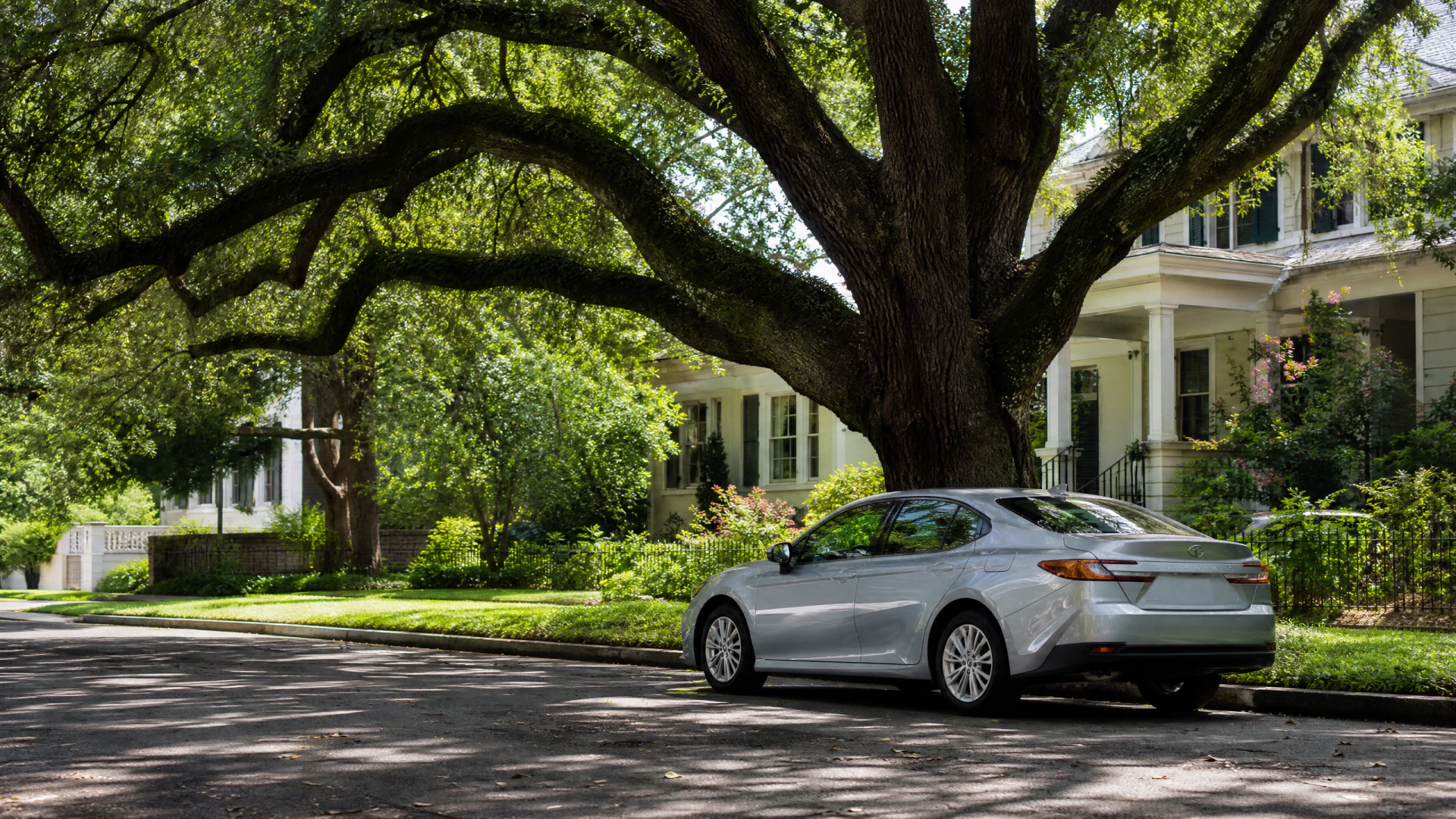
Where the car sits overnight also plays a small role, since a car parked on a busy street or in a shared lot has more exposure to the kind of incident that leads to this kind of claim. None of this makes the decision for you, but together it gives you a real answer instead of a guess.

How a claim actually goes
There's typically no deductible with this coverage, so it starts paying from the first dollar of eligible medical costs, up to the limit you carry. That's different from collision or comprehensive coverage, where you pay a chunk out of pocket first.
After a crash, you or a family member reports the claim and submits medical bills as they come in, rather than waiting until treatment is finished. The insurer pays those bills directly or reimburses you, depending on how the claim is set up.
It's worth keeping a simple file of bills, provider names, and dates of treatment, since claims move faster when that paperwork is organized. If you're helping a parent with this, being the one to gather and submit those documents is often the most useful thing you can do.
Once the limit is reached, this coverage stops paying and any remaining costs shift to your health coverage or to a liability claim against another driver, if there is one.

Medical payments coverage vs. personal injury protection
Medical Payments Coverage
This pays medical bills after a crash, for you and your passengers, regardless of fault. It's simple and narrow, and it doesn't touch lost income or other costs.
Personal Injury Protection
This also pays medical bills no matter who caused the crash, but it typically goes further, covering some lost income and related costs too. It's required or offered depending on where you live.
If personal injury protection is available to you and fits your budget, it generally covers more ground, but where it isn't offered or isn't required, this coverage is the simpler way to fill that same gap.
Real situations
You're rear-ended at a stoplight and go to urgent care the next day because your neck is stiff.
This coverage pays those medical bills right away, without waiting to sort out fault.
A hailstorm hits while your car is parked at church and dents the hood and roof.
This doesn't pay for that, since there's no injury involved, that's a comprehensive claim instead.
A deer runs into the road at dusk and you swerve, hit a guardrail, and your passenger is taken to the hospital.
Your passenger's treatment is covered under this, while damage to the car falls under a different part of your policy.
Once you know whether to keep, adjust, or drop this coverage, you're ready to compare quotes with that decision already settled.
Questions people ask about this
Does medical payments coverage affect my Medicare coverage?
No, it works alongside Medicare rather than replacing it. It typically pays first for crash-related costs, and your health coverage picks up anything beyond that. Check with your provider if you're unsure how the two coordinate.
Can I use medical payments coverage if I wasn't wearing a seatbelt?
In most cases, yes, since this coverage isn't usually conditioned on seatbelt use the way some liability claims can be. It still depends on your policy's specific language, so it's worth a quick read or a call to check.
Does my medical payments coverage follow me if I rent a car?
Often yes, since it's tied to you as a driver rather than just the vehicle you own. Confirm this with your policy before relying on it, since rental situations can have their own wrinkles.
Will using medical payments coverage raise my rates?
It can, though not always, since insurers vary in how they weigh no-fault medical claims. It's one more reason to think through how often you're likely to use it before deciding on a higher limit.
Can I drop medical payments coverage if I have good health insurance?
You can, and some people do, but it's worth thinking about the gap it fills right after a crash before other coverage kicks in. If that gap would be a financial strain, it may still be worth keeping even with solid health coverage.