Medical Payments Coverage for Passengers
Medical payments coverage pays medical bills for you and your passengers after a car accident, no matter who caused it.
What it actually pays for
Covers
- Your own injuries If you're hurt driving your car, this pays toward your medical bills regardless of fault.
- Passenger injuries Anyone riding in your car when you crash is covered, including grandchildren, friends, and neighbors.
- You as a pedestrian If you're struck by a car while walking, this coverage on your own policy can still apply.
- You in someone else's car If you're hurt riding as a passenger in another person's vehicle, your own coverage can pay out.
- Funeral costs Some policies extend this coverage to funeral expenses if an accident is fatal.
Doesn't cover
- Damage to your car Repairs to your own vehicle fall under collision coverage, not this.
- The other driver's injuries If you caused the accident, their medical bills are handled by your liability coverage.
- Lost wages This pays medical expenses only, not income you miss while recovering.
- Long-term disability costs Ongoing care or disability after the initial treatment usually falls outside what this pays.
- Injuries unrelated to a car This coverage only applies to injuries connected to a motor vehicle accident.
For most older drivers, this coverage is worth keeping
The cost of this coverage is usually small compared to what it protects. It fills a gap that health insurance often leaves open, especially the portion that would otherwise come out of your pocket before other coverage kicks in.
If you often drive grandchildren, friends, or neighbors, this matters more. It pays for their injuries too, without anyone having to sort out fault first, which can spare you an awkward conversation or a slower claim.
If you drive rarely, keep an older car, and have strong health insurance with low out-of-pocket costs, the case for this coverage weakens. In that situation, you may be paying for protection your health plan already gives you.
How much you drive and who typically rides with you matters more here than what your car is worth. This is about people, not the vehicle, so the usual math about paid-off cars doesn't apply the way it does with other coverages.

How a claim works
There is no deductible on this coverage in most cases, so it pays from the first dollar of eligible medical expense up to your limit. You don't need to prove who caused the accident, which is what sets it apart from liability coverage.
After an accident, you or your passenger submits medical bills to the insurer as they come in. The insurer pays directly toward those bills up to the policy limit, and payments can happen even while other parts of the claim, like vehicle damage, are still being sorted out.
Have the accident report, your policy information, and copies of medical bills or statements ready when you file. The insurer may also ask for records showing the treatment was related to the accident.
Once the limit is reached, this coverage stops paying and any remaining costs shift to health insurance or another source. It's meant to cover the early, immediate expenses rather than a long course of treatment.
Medical payments coverage vs. personal injury protection
Medical Payments Coverage
This pays medical bills for you and your passengers after a crash, regardless of fault. It's narrower in scope, generally covering only medical costs.
Personal Injury Protection
This also pays medical bills without regard to fault, but often extends further to include lost wages and other related expenses. Whether it's available, or required, varies by state.
If your state offers personal injury protection, it's usually the broader option; medical payments coverage makes more sense where that broader protection isn't offered or where you want a simpler, lower-cost add-on.
Real situations
You're rear-ended at a stoplight and your passenger is taken to the hospital for observation.
This pays toward your passenger's medical bills right away, without waiting to determine fault.
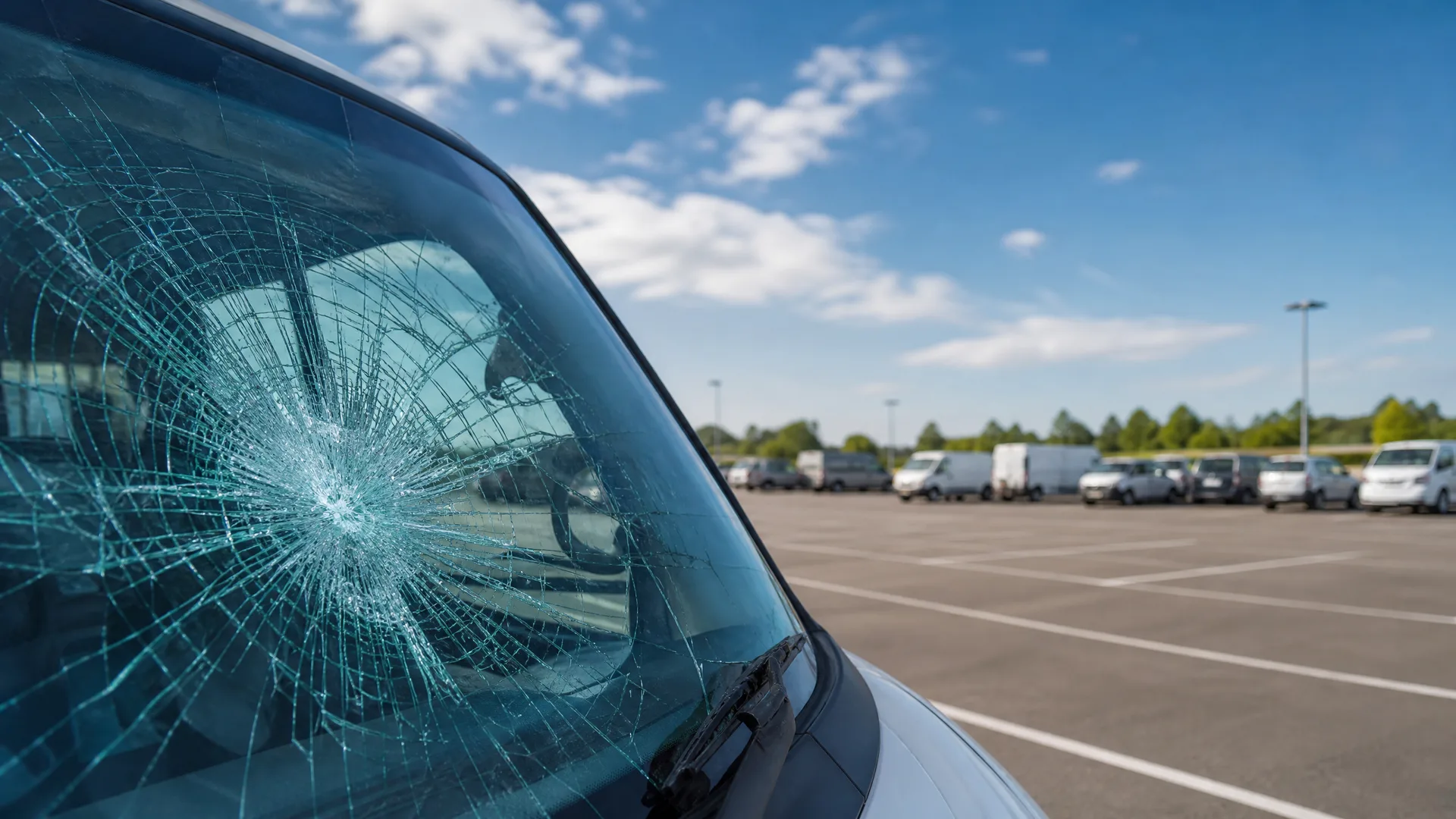
A hailstorm damages your car while it's parked at church and no one is inside.
This doesn't pay since no one was injured; that damage falls under comprehensive coverage instead.
You swerve to avoid a deer at dusk, hit a guardrail, and hurt your shoulder.
This pays toward your own medical treatment regardless of how the accident happened.
Once you know whether you want this coverage and at what limit, you're ready to compare quotes on equal terms.
Questions people ask about this
How much medical payments coverage should I get?
It depends on how often you have passengers and what your health insurance would otherwise leave you paying. Drivers who regularly carry others, like grandchildren or neighbors, often choose a higher limit. Check what your health plan's out-of-pocket costs look like before deciding.
Does medical payments coverage affect my insurance rates after a claim?
It can, though usually less than an at-fault accident claim would. Rules vary by insurer and state, so check how your own policy handles it. A single claim for a passenger's injury is treated differently than a claim tied to fault.
Can I use medical payments coverage if I'm hit while riding a bicycle?
Often yes, since many policies extend this coverage to being struck by a car even outside your own vehicle. This varies by policy, so check your declarations page or ask your insurer directly. It's worth confirming before you assume it applies.
Is medical payments coverage required to carry passengers for pay, like rideshare driving?
Rules about rideshare and paid passengers vary by state and by the rideshare company's own insurance. This personal coverage may not apply at all once you're logged into a rideshare app. Check both your policy and the rideshare company's coverage terms.
Does medical payments coverage cover injuries to my dog or other pets?
No, this coverage is for human injuries only. Some separate pet injury coverage exists on certain policies, so check your declarations page if that matters to you. It would appear as its own line item if you have it.