PIP Coverage for Seniors in Kentucky
PIP, or personal injury protection, pays medical bills and certain other costs for you and your passengers after a car accident, no matter who caused it.
What PIP actually pays for
Covers
- Your medical bills Doctor visits, hospital stays, and follow-up care after an accident get paid without waiting to find out who was at fault.
- Passenger medical costs Anyone riding in your car when the accident happened is covered the same way you are.
- Lost income If the accident keeps you from working, PIP can replace a portion of what you would have earned.
- Household help If you need to pay someone to do tasks you normally handled yourself while you recover, that cost can be included.
- Funeral costs If the accident is fatal, PIP can help cover funeral expenses for you or a passenger.
Doesn't cover
- Damage to your car PIP only pays for injuries and related costs. Repairing or replacing the vehicle falls under collision coverage instead.
- The other driver's injuries Their own PIP coverage, or liability coverage from the driver at fault, handles that side.
- Injuries from something other than a car accident PIP is tied to motor vehicle accidents specifically, not falls, illness, or other everyday injuries.
- Unlimited medical care PIP pays up to a set limit on your policy, and once that's used up, health insurance or other coverage takes over.
- Punishing the at-fault driver PIP isn't about blame or penalties. It just gets bills paid quickly while fault gets sorted out separately.
For most older drivers, this coverage is worth keeping
PIP exists to get your medical bills paid fast, before anyone argues about fault. That matters more as you get older, because recovery often takes longer and the bills show up sooner than any settlement does.
If you're on a fixed income, the appeal is simple. You don't want to be paying out of pocket for weeks while an insurance claim gets sorted out, even if you're confident you'll eventually be reimbursed.
How much you drive matters too. If you're mostly making short local trips, your actual risk of a serious crash is lower, but PIP still protects you in the kind of fender-bender that can happen in a parking lot or at a stop sign, which is where a lot of older drivers actually get hurt.
The one case where it's worth a second look is if you already have solid health insurance and enough savings to cover a gap in income. Even then, PIP is usually inexpensive enough that most people keep it rather than drop it outright.
How a PIP claim actually works
After an accident, you or your passengers can file a PIP claim directly with your own insurer, regardless of who caused the crash. There's no need to wait for the other driver's insurance company to accept responsibility first.
Your policy has a deductible that applies before PIP starts paying, and after that it covers eligible costs up to your policy's limit. Keep records of every medical visit, every bill, and any days you miss from work, because the claim moves faster when you can show exactly what the accident cost you.
Once your PIP limit is used up, remaining medical costs usually shift to your health insurance or to a liability claim against the at-fault driver. It's worth understanding where that handoff happens so you're not caught off guard partway through treatment.
PIP versus medical payments coverage
PIP
PIP pays medical bills, lost income, and related costs after a car accident, and in many places it's required or automatically included. It covers you whether or not you caused the crash.
Medical payments coverage
Medical payments coverage, sometimes called MedPay, only pays medical bills. It doesn't cover lost income or household help, and it's usually offered as an optional add-on rather than something built into the policy.
If your state offers both, PIP is the broader protection, and MedPay makes more sense as a supplement once your PIP limit runs out.
Real situations
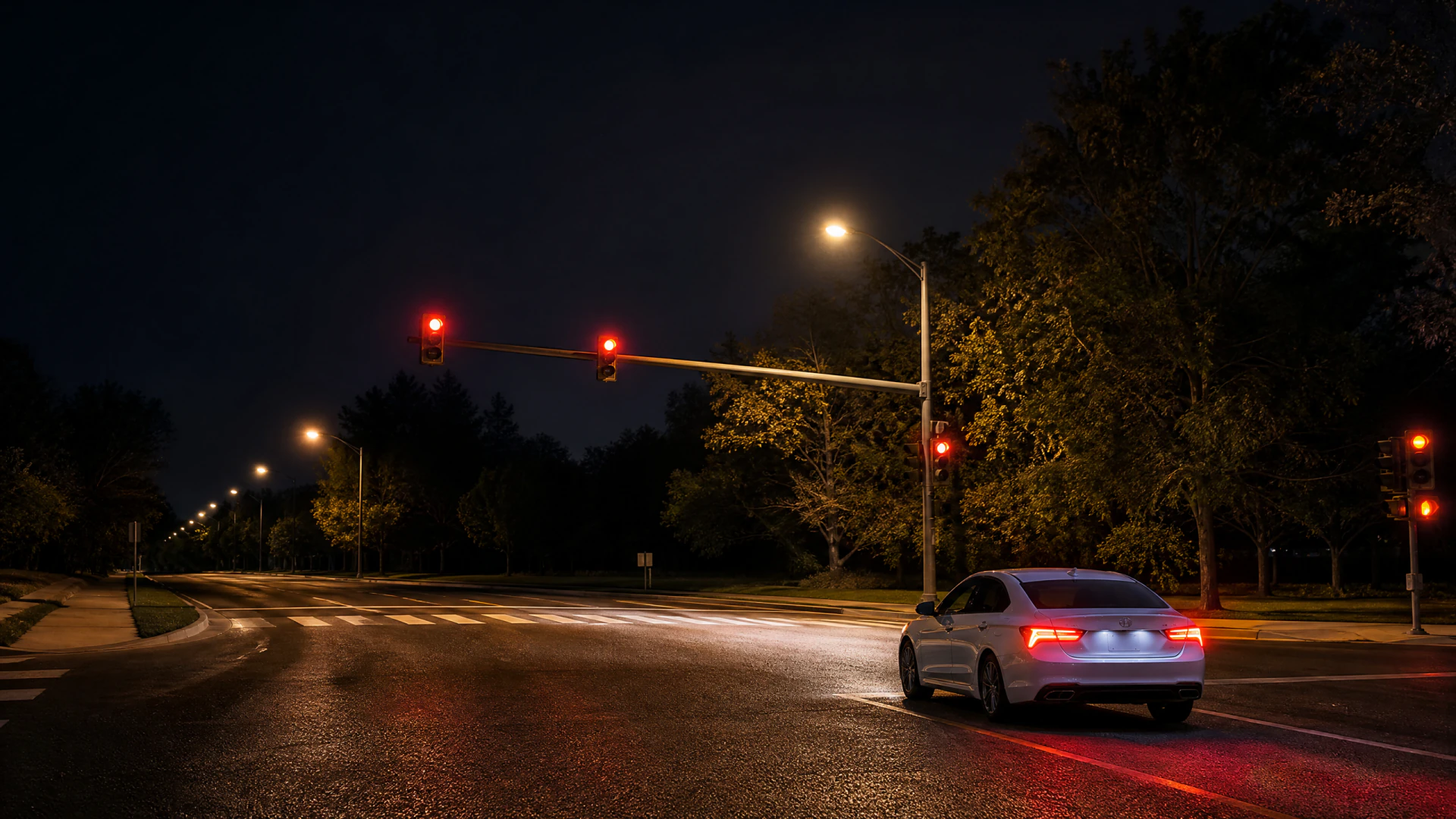
You're rear-ended at a stoplight on the way to a doctor's appointment and end up with a sore neck that needs a few weeks of physical therapy.
PIP pays for the therapy and related medical costs, regardless of who gets blamed for the accident.
A hailstorm damages your car's hood and roof while it's parked outside during a church service.
PIP doesn't pay here, since no one was injured. That kind of damage falls under comprehensive coverage instead.
You swerve to avoid a deer on a county road at dusk and hit a guardrail, leaving you with a bruised shoulder and a cracked dashboard.
PIP covers your medical care for the shoulder, while the dashboard damage is handled separately under collision coverage.
Once you know whether you want to keep, adjust, or drop PIP, you can compare quotes with that decision already settled.
Questions people ask about this
Does PIP cover me if I'm a passenger in someone else's car?
Yes, in most cases your own PIP coverage follows you even when you're riding in another person's vehicle. Check your policy to confirm how it applies when you're not the one driving. Some policies also let the other driver's PIP apply first.
Can I use PIP and health insurance at the same time?
Yes, PIP typically pays first for accident-related medical costs, and your health insurance can pick up what's left once PIP's limit is reached. The order matters because it affects how quickly your bills get paid. Ask your insurer how the two are meant to coordinate.
Does filing a PIP claim raise my rates?
It can, though it depends on your insurer's rules and your overall claim history. A single claim after a clear accident is less likely to cause a big change than repeated claims. Ask your agent how your specific policy handles this.
What happens to unused PIP coverage if I don't get in an accident?
Nothing happens to it, since PIP isn't something you accumulate or cash out. It simply renews each policy term as protection you have available if you ever need it.
Do I need PIP if I rarely drive anymore?
Possibly still yes, since PIP also covers you as a pedestrian or passenger in many cases, not just as the driver. If you've mostly stopped driving, ask your agent whether a reduced policy still makes sense for how you use the car now.