
Lost Wage Coverage for Retired Drivers
Lost wage coverage replaces income you lose because an accident keeps you from working, and it pays nothing if you aren't earning wages when the crash happens.
What this coverage actually pays for
Covers
- Missed hours from your job If your injuries keep you from clocking in, this coverage can replace the pay you would have earned during that time.
- Part-time or seasonal work If you work fewer hours now, it can still replace income from that part-time or seasonal job, based on what you were actually earning.
- Self-employment income If you run a small business or work for yourself, it can cover documented income you can no longer bring in while you recover.
- A gradual return to work If your doctor clears you for reduced hours before full duty, it can cover the gap between what you used to earn and what you're earning now.
- Recovery tied to the accident The time off has to be connected to injuries from that specific crash, confirmed by a doctor who is treating you.
Doesn't cover
- Retirement or pension income Money you receive whether or not you work, like a pension or retirement account withdrawal, isn't lost wages, so this coverage doesn't touch it.
- Reduced hours by choice If you've already cut back your hours for reasons unrelated to the accident, this coverage won't make up the difference.
- Pain and suffering That's a separate kind of claim, often handled through liability coverage, not through this one.
- Vehicle repair costs Damage to your car is handled by collision or comprehensive coverage, not by lost wage coverage.
- Unpaid volunteer work If the work you've stepped back from wasn't paid, there's no wage to replace, so nothing is owed here.
- Household tasks you can't do Some policies have a separate provision for hiring help around the house, but that isn't part of lost wage coverage itself.

For most fully retired drivers, this coverage has little left to pay for
If you no longer draw a paycheck from anyone, there's no wage for this coverage to replace. That's the plain center of the decision, and it applies whether you stopped working five years ago or thirty.
If you still work part-time, drive for pay, consult, or run a small business out of your home, the math changes. In that case this coverage is protecting real income, and it's worth asking your agent how your policy defines earnings for someone in your situation.
Also worth a look is whether you're paying for this coverage on a policy where it's bundled in automatically rather than chosen. Some policies include a small amount of it as part of a package, and dropping the package isn't always possible, but it's worth knowing what you're paying for.
If you're on a fixed income already, a crash that keeps you home for a while doesn't cost you wages, it costs you other things, like a rental car or help around the house. Those are different coverages, and they're worth asking about even if this one isn't.

How a claim actually works
After an accident, you'll usually need a note from your treating doctor stating that your injuries keep you from working and for how long. The insurer will ask for proof of what you were earning before the crash, which can be pay stubs, a tax return, or business records if you're self-employed.
Most policies apply a waiting period before payments start, and a deductible may apply to the claim as a whole. The payment is meant to replace the income itself, not to cover medical bills, which are typically handled separately under your medical payments or health coverage.
Keep records as you go. A dated note from your doctor, a letter from an employer confirming missed shifts, or simple bookkeeping if you're self-employed will make the claim move faster and avoid back and forth.
If your doctor later extends your recovery time, you can usually submit updated documentation rather than starting the claim over, but check with your insurer on how they prefer it handled.

Lost wage coverage vs. medical payments coverage
Lost Wage Coverage
This pays to replace income you lose because you can't work after a crash. It only applies if you were earning wages in the first place, and it doesn't touch medical bills.
Medical Payments Coverage
This pays for medical treatment after an accident, regardless of whether you work or who was at fault. It covers things like doctor visits, hospital stays, and sometimes dental work related to the crash.
If you're fully retired, medical payments coverage is almost always the more useful of the two, since it pays out no matter your work status.
Real situations
You're driving home from a part-time job at a garden center when another driver runs a stop sign and hits you, leaving you unable to work for several weeks.
This coverage pays, since you were earning wages at the time and your doctor can document the time missed.
A hailstorm damages your parked car outside church while you're fully retired and not working anywhere.
This coverage doesn't pay here, since there's no wage involved, though comprehensive coverage would handle the car damage.
You swerve to avoid a deer at dusk on a county road, hit a guardrail, and are badly shaken but not working any job at the time.
This coverage doesn't pay in this case either, since there's no income for it to replace, though medical payments or health coverage would apply to your care.
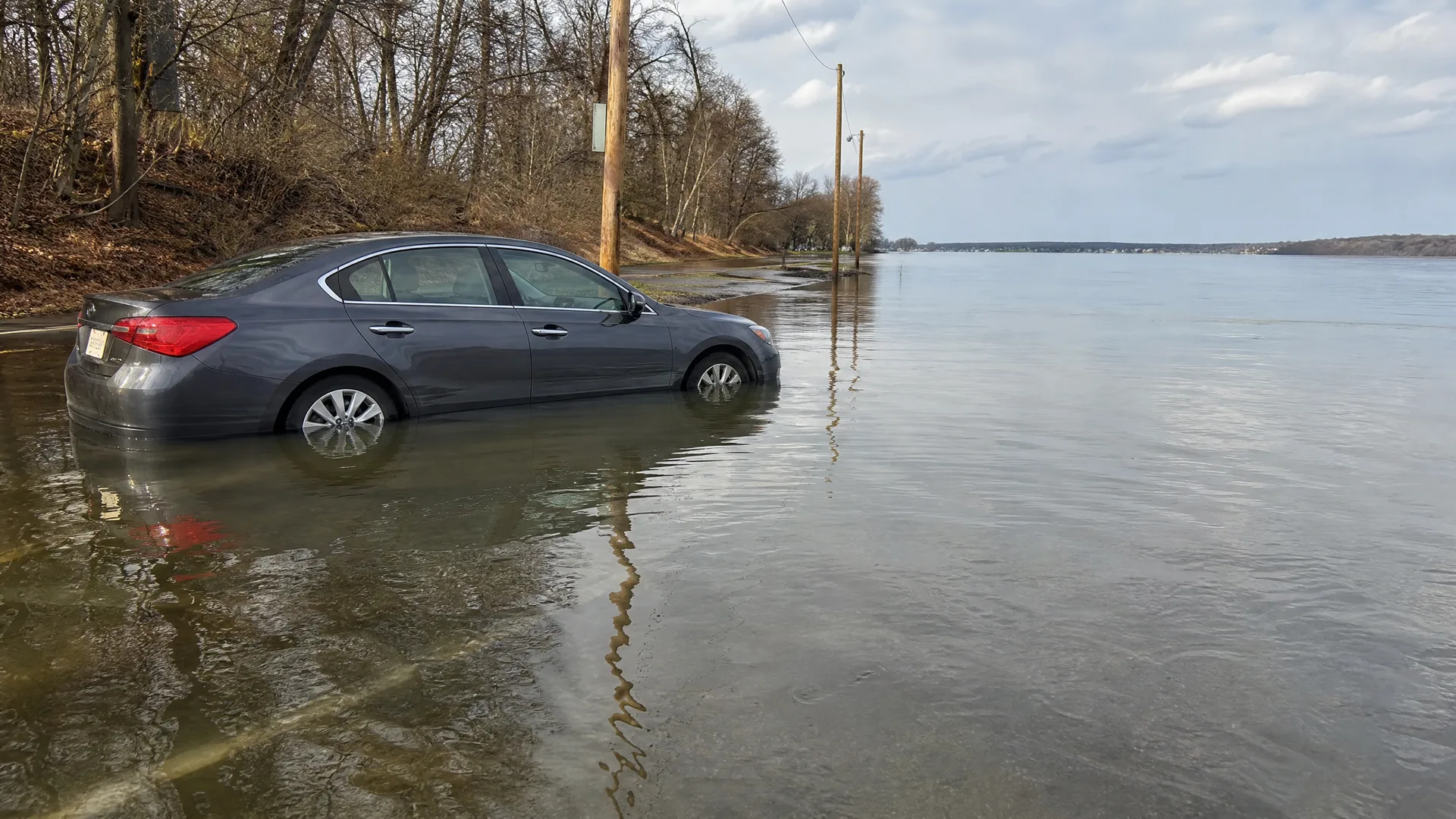
Once you know whether your work status makes this coverage worth keeping, you can compare quotes with that part of your decision already settled.
Questions people ask about this
Does lost wage coverage apply to Social Security income?
No, Social Security is not treated as a wage you lost because of the accident. It's income you receive regardless of whether you work, so this coverage doesn't replace it or supplement it in any way.
Can I add lost wage coverage if my policy doesn't have it?
Usually yes, through your agent, though availability depends on your state and your insurer's offerings. Ask specifically whether it's sold as a standalone option or only bundled with other coverages.
Who decides how much income I lost after an accident?
Your insurer reviews documentation from your doctor and your income records to calculate the amount. If you disagree with their figure, you can usually submit additional pay records or a letter from your employer to support a higher amount.
Does this coverage affect my premium if I never use it?
Having the coverage on your policy adds a small cost whether or not you file a claim, since you're paying for the option to use it. Dropping it, if your insurer allows that, would adjust your premium going forward.
What happens if I'm injured but was between jobs?
If you weren't earning wages at the time of the accident, there's typically nothing for this coverage to replace, even if you were actively job hunting. Some policies make exceptions for documented job offers, so it's worth asking your agent directly.