PIP Coverage for Seniors in Utah
PIP, or personal injury protection, pays for medical bills and some lost income for you and your passengers after a car accident, no matter who caused it.
What PIP actually pays for
Covers
- Medical bills from the crash Doctor visits, hospital stays, imaging and follow-up care tied to the accident are paid regardless of fault.
- Lost income If the accident keeps you from working, PIP can replace part of what you'd have earned.
- Household help If you can't do tasks you normally handle around the house because of your injuries, PIP can cover paying someone else to do them.
- Funeral costs If the accident is fatal, PIP can help pay funeral and burial expenses.
- Passengers in your car Anyone riding with you is covered under your PIP, not just you as the driver.
Doesn't cover
- Damage to your car PIP is about injuries to people, not vehicle repair, so that falls to collision coverage instead.
- The other driver's injuries Their own PIP or health coverage handles that, since your PIP only covers you and your passengers.
- Injuries after a long gap PIP is meant for treatment connected closely in time to the crash, so care that starts much later can be questioned.
- Pain and suffering PIP pays actual bills and lost wages, not compensation for pain itself, which is a separate kind of claim.
- Unlimited medical care PIP has a cap, and once you reach it, your own health insurance or other coverage has to take over.
For most older drivers, PIP is worth keeping
Whether PIP matters to you less about your age and more about how your health coverage works. If you're on a plan with real gaps, high deductibles, or slow approval for things like physical therapy, PIP fills those gaps right after a crash when bills show up fast.
PIP also pays a portion of lost income, which matters less if you're retired, but many older drivers still work part time or run a small business, and that income matters.
The household help benefit is one people overlook. If an injury means you suddenly need someone to mow the lawn, shovel snow, or help with laundry, PIP can pay for that, and it's the kind of cost Medicare or a supplement plan won't touch.
Whether this coverage is required or optional, and how much of it you can choose, varies by state, so check your own policy to see what you're carrying and whether you can adjust it.

How a PIP claim actually goes
After a crash, you or your doctor's office submits bills to your insurer under your PIP coverage, and they get paid directly without anyone first deciding who caused the accident. There's usually a waiting period before benefits kick in, and a deductible may apply depending on how your policy is set up.
Keep records of every appointment, every bill, and any days you miss work, since the insurer will want documentation to match what they pay. If you need help around the house because of your injuries, keep receipts for that too.
PIP runs out once you hit its limit, so for a serious injury, it may only cover the early stages of treatment before your health insurance takes over the rest. Knowing that ahead of time helps you avoid a surprise mid-treatment.
PIP compared to medical payments coverage
PIP
PIP covers medical bills, lost income, household help and funeral costs after an accident, regardless of fault. It applies a broader set of benefits beyond just medical treatment.
Medical Payments Coverage (MedPay)
MedPay covers medical bills only, with no payment for lost wages or household help. It's a narrower, simpler coverage that some drivers carry alongside or instead of PIP where allowed.
If you want broader protection that includes income and household costs, lean toward PIP, but if you already have strong health and disability coverage, MedPay alone may be enough.
Real situations
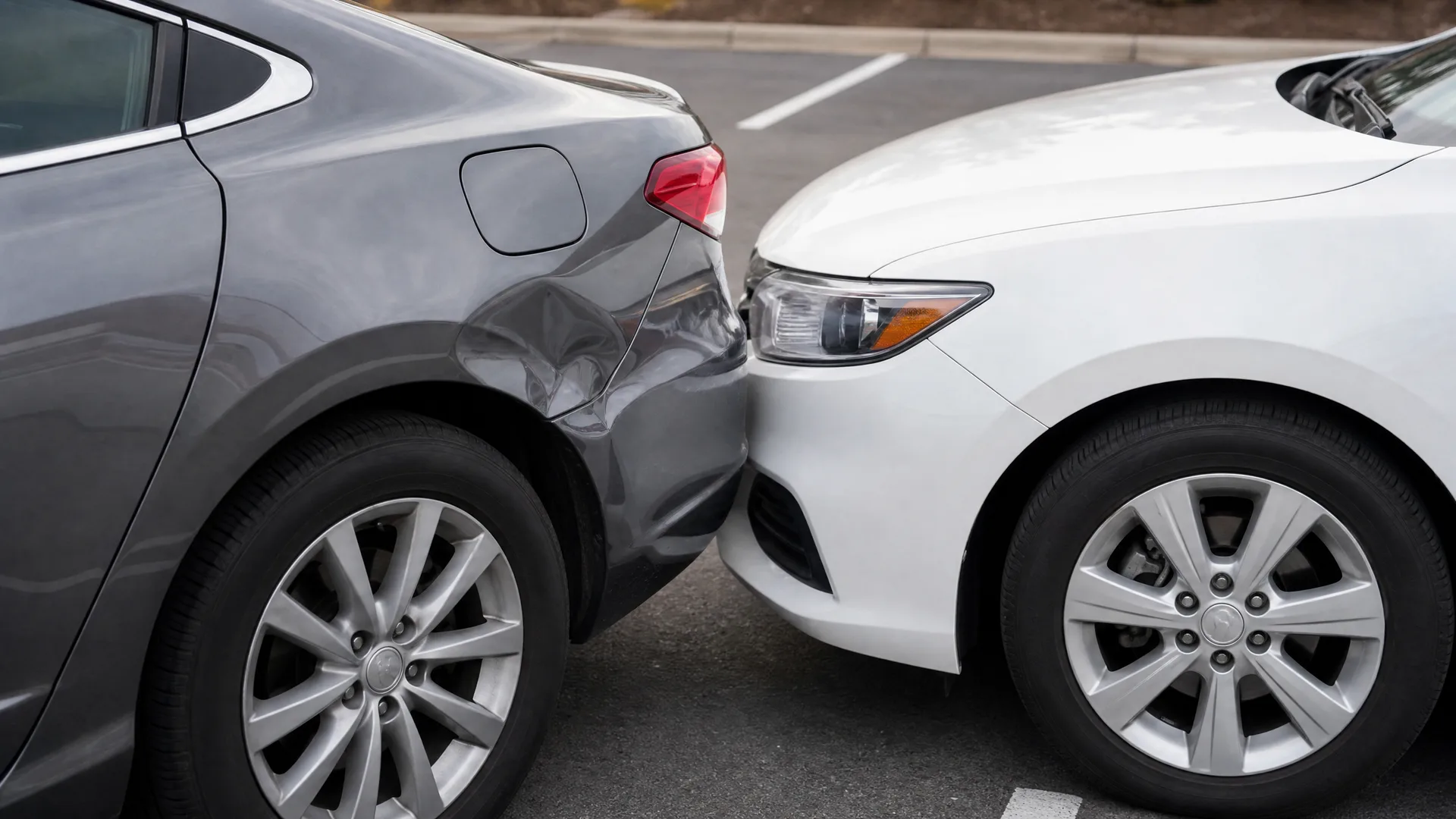
You're rear-ended at a stoplight on your way to a doctor's appointment and end up with a sore neck that needs a few weeks of physical therapy.
PIP pays, since it covers your medical treatment regardless of who caused the crash.
A hailstorm pounds your car while it's parked outside church and leaves dents across the hood and roof.
PIP doesn't pay here, since this is vehicle damage, not an injury, and comprehensive coverage handles it instead.
A deer crosses a county road at dusk and you swerve, hit a fence post, and strain your shoulder bracing against the wheel.
PIP pays for your shoulder treatment, while comprehensive or collision would separately handle the fence and car damage.
Once you know how much PIP protection you want to keep, you can compare quotes with that figured out ahead of time.
Questions people ask about this
Do I need PIP if I have Medicare?
You can still benefit from PIP even with Medicare, because PIP pays quickly after a crash without the approvals or waiting that Medicare sometimes requires. It also covers things Medicare doesn't, like lost income or paying for household help. Check your policy to see how the two would work together after an accident.
Can I be denied PIP benefits?
Yes, an insurer can question or deny part of a PIP claim if they think the treatment isn't related to the accident or started too long after it. Keeping clear records and seeing a doctor soon after the crash helps avoid disputes. If a claim is denied, you can ask the insurer to explain which part of the policy they're applying.
Does PIP cover a passenger who isn't family?
Yes, PIP generally covers anyone riding in your car at the time of the crash, not just relatives. The coverage follows the vehicle and the policy, not the relationship between the people in it. Check your policy's definition of covered passengers to be sure there isn't an exclusion.
What happens if I'm hit by an uninsured driver?
Your PIP still pays your medical bills first, since it isn't based on who's at fault or whether they have insurance. For costs beyond that, uninsured motorist coverage would be the one to step in. It's worth checking that you carry that coverage too, since PIP alone has a limit.
Can I drop PIP if I rarely drive anymore?
You may be able to reduce or adjust PIP depending on your state's rules, since some states set a minimum while others let you decline it. Driving less lowers your odds of needing it, but it doesn't eliminate the risk entirely, especially as a passenger in someone else's car. Check with your insurer about what your state allows and how it would change your policy.