Medical Payments Coverage When Grandkids Ride With You
Medical payments coverage pays medical bills for you and your passengers, including grandkids, after a crash, no matter who caused it.
What this coverage pays for
Covers
- Passenger medical bills If a grandchild is riding with you and gets hurt in a crash, their ambulance ride, ER visit, or follow-up care can be paid under your policy.
- Your own medical bills It covers you too, as the driver, for injuries from the same crash, regardless of who was at fault.
- Fault doesn't matter This coverage pays out even if you caused the accident, which sets it apart from coverage that depends on the other driver being at fault.
- Reasonable and necessary care It covers care tied to the crash, things like hospital visits, X-rays, and sometimes dental work if teeth were damaged in the impact.
- Coverage as a passenger elsewhere Depending on how your policy is written, it may also pay if you or a listed grandchild is hurt riding in someone else's car.
- Quick payment without a lawsuit It's meant to pay out fast, without the back and forth of proving who was responsible for the crash.
Doesn't cover
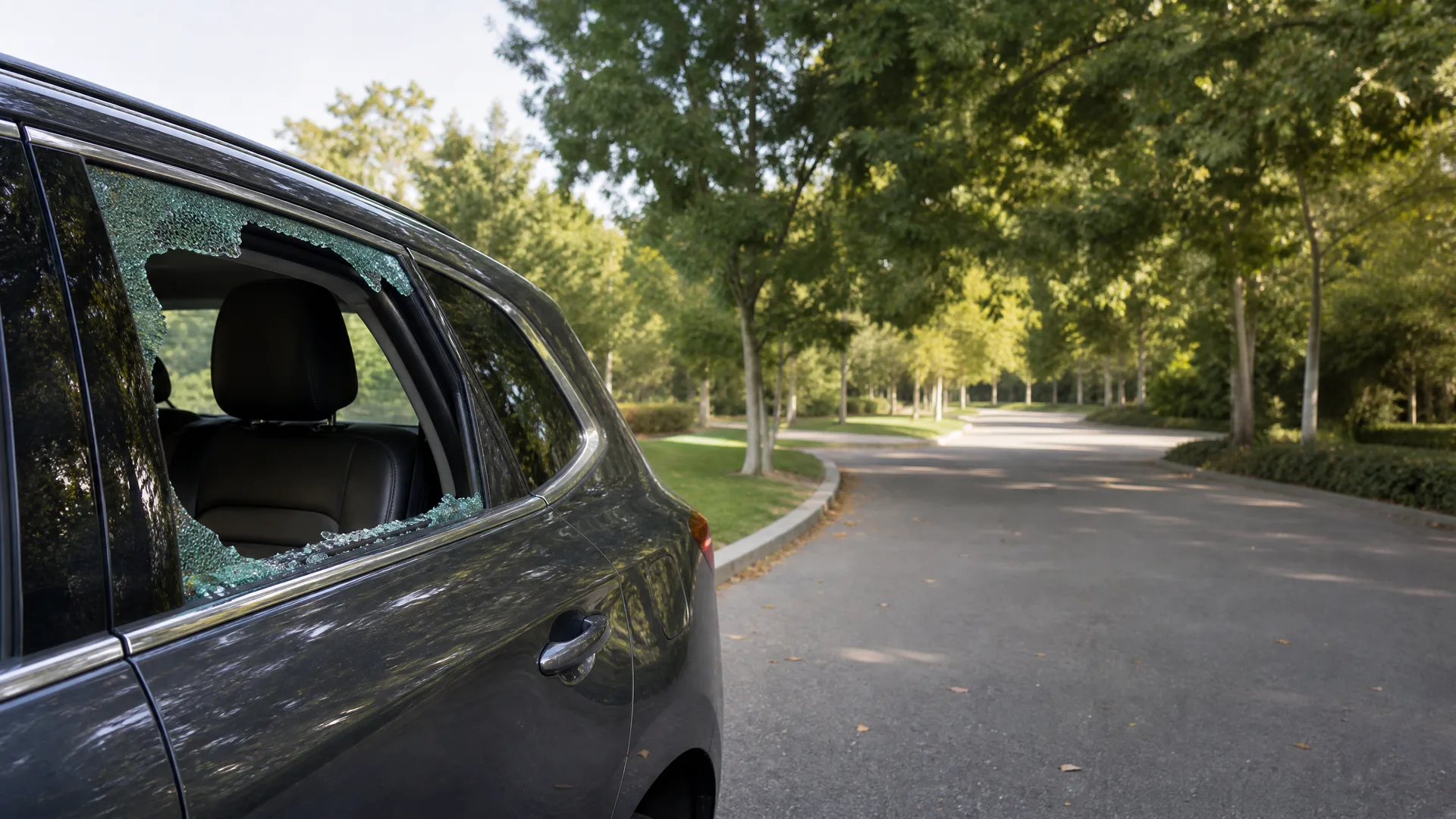
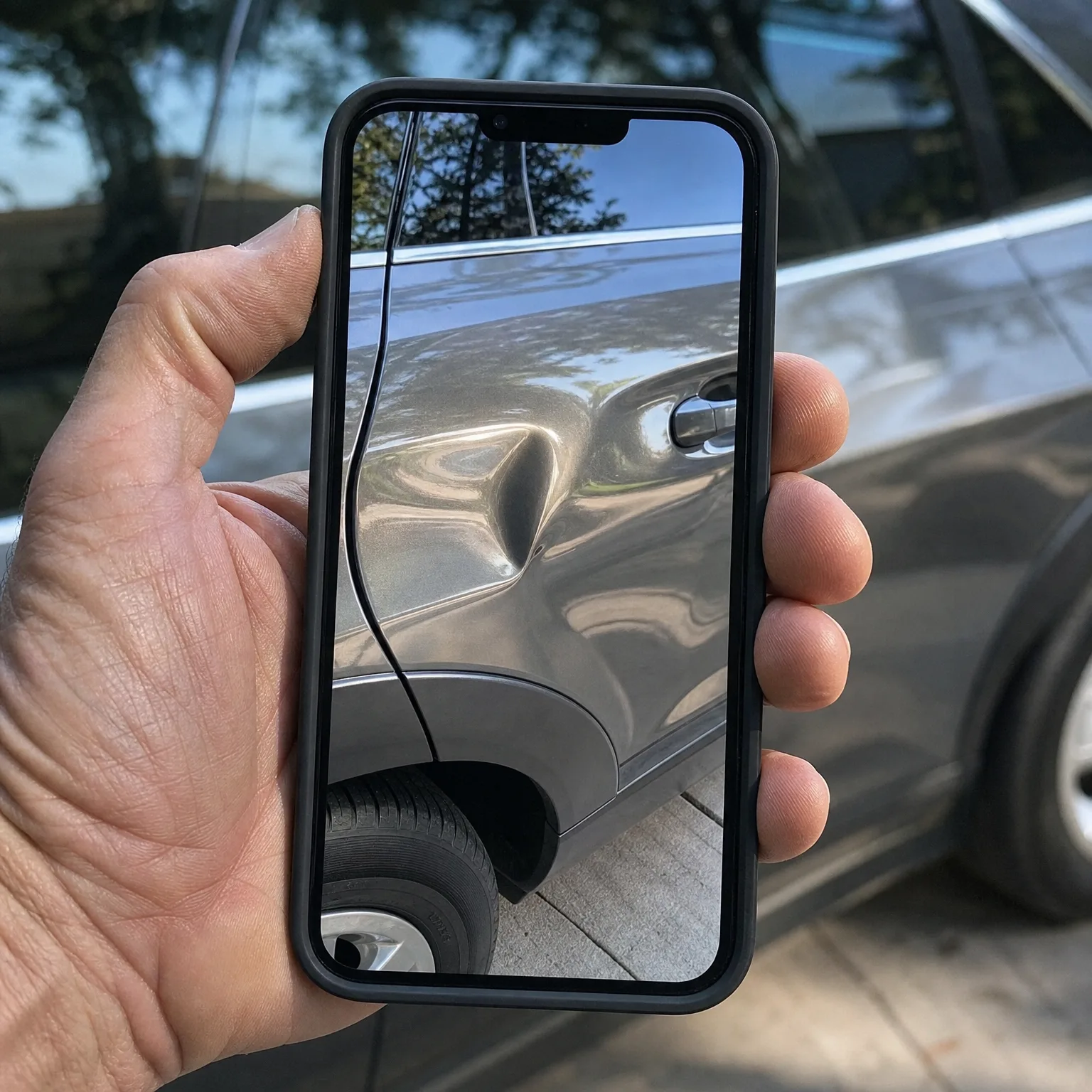
- Damage to the car Dents, broken glass, and other vehicle damage are handled by collision or comprehensive coverage, not this one.
- Lost wages This coverage pays medical costs only, so missed work or income loss falls under different coverage if you have it.
- Long-term disability Ongoing care or disability from a serious injury usually goes beyond what this coverage is built to pay.
- The other driver's injuries If someone in the other car is hurt, that falls under your liability coverage, not medical payments coverage.
- Injuries unrelated to a crash A grandchild getting hurt getting in or out of the car in your driveway, with no collision involved, typically isn't what this coverage is for.
For most older drivers who often carry grandkids, this coverage is worth keeping
The cost of this coverage is usually small next to what an ER visit costs, and that gap matters more once you're thinking about a grandchild's care instead of just your own. Many people don't realize their health insurance may leave gaps, co-pays, or delays, and this coverage fills that space without any argument over fault.
How often the grandkids actually ride with you matters here. If they're in the car occasionally, for school pickups or weekend visits, the exposure is real but modest. If you're doing regular carpool duty or long road trips with them, the case for keeping this coverage gets stronger.
Your own health coverage plays a role too. If you or the grandchild's parents already have strong health insurance, this coverage mostly matters for speed and for avoiding arguments about deductibles and networks right after a crash. If coverage is thin or inconsistent, this becomes more important as a backstop.
This isn't a coverage tied to what your car is worth or whether it's paid off. It's about people, not the vehicle, so even older drivers with an older, low-value car often keep it specifically because of who rides along.
How a claim actually works
There's typically no deductible on this coverage, which makes it different from collision or comprehensive. You or the grandchild's family submit medical bills tied to the crash, and the insurer pays according to the coverage you carry, without needing to establish who was at fault.
A claim usually starts with a call to your insurer and a description of the accident and the injuries. Have the date, any police report, and medical bills or receipts ready. The insurer may ask for records directly from the hospital or doctor.
The payment covers the medical costs themselves, not pain and suffering or time away from school or work. If injuries are serious enough to involve long-term care or a larger settlement, that usually moves into a different kind of claim, often involving liability coverage instead.
Because payment doesn't depend on fault, these claims tend to move faster than liability claims. That speed is often the main reason families appreciate having it in place before anything happens.
Medical payments coverage vs. personal injury protection
Medical payments coverage
This pays medical bills for you and your passengers after a crash, regardless of fault, and is usually simple and optional. It doesn't cover lost wages or other costs beyond medical care.
Personal injury protection
This is broader, often covering lost wages and other expenses beyond medical bills, and is required in some places. Whether it's offered or required varies by state, so check your own policy.
If your state offers personal injury protection and you want coverage beyond medical bills, lean that way; if it's not available or you want something simpler, medical payments coverage covers the core need.
Real situations
You're driving your grandchild home from a weekend visit and a car runs a stop sign, causing a crash that sends you both to the ER.
This coverage pays, since it covers injuries to you and your passenger regardless of who caused the crash.
Hail hits your car while it's parked at church and your grandchild isn't even in the vehicle.
This coverage doesn't pay, since no one was injured; comprehensive coverage would handle the hail damage instead.
A deer runs into the road at dusk and you swerve, your grandchild hits their head on the window and needs a few stitches.
This coverage pays for the medical treatment, since the injury happened in a crash involving your car.
Once you know whether you want to keep, add, or adjust this coverage, you can compare quotes with that decision already made.
Questions people ask about this
Does medical payments coverage follow the car or the person?
It generally follows the policy on the car you're driving, but it can also extend to you as a listed driver in certain situations outside that car. Check your policy's language, since this can vary by how it's written. If grandkids ride in multiple family vehicles, it's worth checking whether each car carries this coverage.
Can my grandchild's parents file a claim directly?
Usually the claim is filed through your policy since the coverage is tied to your car, but the medical bills themselves can be submitted by whoever is handling the child's care. It helps to coordinate early so records and bills go to the right place. Ask your insurer how they prefer the paperwork handled when a minor is involved.
Does this coverage raise my rates if I use it?
It can, depending on your insurer and your overall claims history, though a single small claim often has less impact than a claim involving vehicle damage or a larger payout. Ask your agent how claims under this coverage specifically are treated. It's reasonable to weigh a modest rate impact against getting a grandchild's medical bills paid quickly.
Is this coverage required to carry grandkids in my car?
No state requires this specific coverage just because you have passengers, though some states require a similar coverage as part of standard auto insurance. Whether it's required or just offered varies by state, so check your own policy or state rules. Even where it isn't required, many drivers choose to add it for exactly this reason.
What happens if the grandchild has their own health insurance?
Their health insurance can still be used, but this coverage often pays first or fills in gaps like co-pays and deductibles without the delay of working through their plan. Having both in place avoids arguments about which one is supposed to pay. It's worth asking your insurer how the two interact so there's no surprise later.