PIP Coverage for Seniors in Florida
PIP coverage pays a portion of your medical bills and lost income after a car accident, no matter who caused it.
What PIP actually pays for
Covers
- Your own medical bills It pays toward treatment for your injuries after an accident, regardless of fault.
- Lost income If the accident keeps you from working, it covers part of the wages you miss.
- Replacement services It can pay for help with tasks you'd normally do yourself, like household chores, while you recover.
- Death benefit It pays a set benefit toward funeral costs if the accident is fatal.
- Passengers and some pedestrians People riding with you, and in some cases a pedestrian you hit, can draw on your PIP.
- Coverage regardless of fault It pays out whether you caused the accident or someone else did, which is the whole point of it.
Doesn't cover
- Damage to your car PIP only covers injuries and related costs, not repairs. Collision coverage handles that.
- The other driver's injuries Their own PIP, or your liability coverage in some cases, is what applies to them.
- Damage you cause to someone else's property That falls under your property damage liability, not PIP.
- Full replacement of your income It covers a share of lost wages, not the whole amount, and it stops once the benefit is used up.
- Long-term or unlimited medical care The benefit has a ceiling, and serious injuries can use it up quickly, leaving health insurance to cover the rest.
- An at-fault driver's pain and suffering claim That kind of claim usually requires stepping outside PIP into a liability claim, which has its own threshold.
Where this coverage is required, it's worth keeping, and dropping it usually isn't an option worth pursuing
In places where this coverage is mandatory, the decision isn't really whether to carry it, it's how much of it to carry and whether to add coverage on top. Check your own policy or your state's rules to see where you stand, since this varies by state and isn't something to guess at.
For drivers in their sixties and beyond, the real question is usually about the add-on options layered on top of the base requirement, things like extended medical benefits or coverage that works alongside your health insurance. If you're on a fixed income, having this kick in fast while you sort out other bills can matter more than it did when you were younger and working.
How much you drive matters too. Someone who's mostly off the road after retiring, running errands and visiting family nearby, has less exposure than someone still commuting daily. Less time on the road means fewer chances to need it, but it doesn't erase the chance entirely, since plenty of accidents happen close to home.
If you have strong health insurance already, some of what PIP covers may feel redundant. But health insurance often comes with its own deductibles and gaps, and PIP paying out quickly after an accident, before other coverage sorts itself out, is worth something on its own.
What happens when you actually file a claim
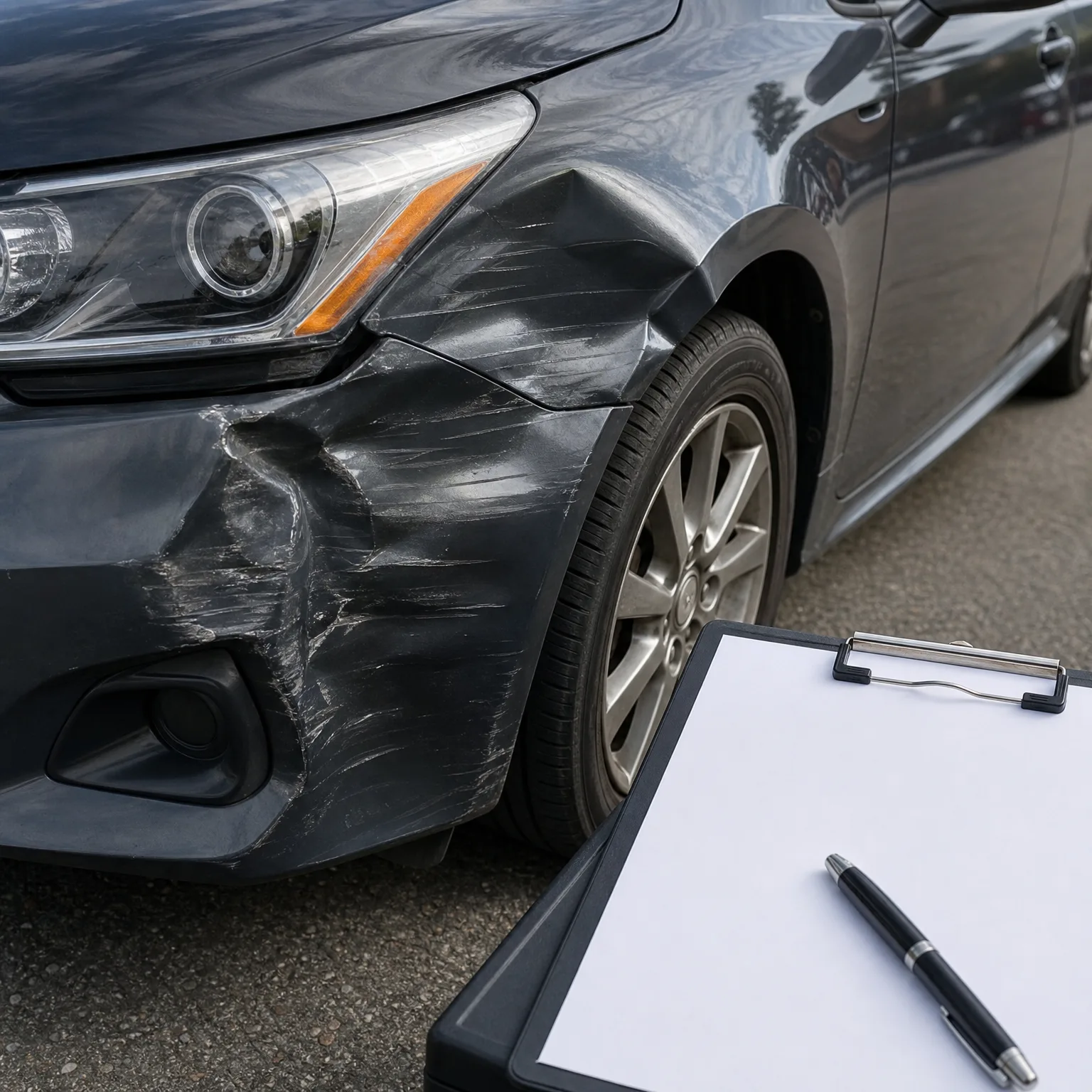
After an accident, you report the claim and get medical treatment, and your provider bills PIP directly for a share of the cost up to your benefit limit. You may still owe a deductible depending on how your policy is set up, and that amount comes out of your pocket before PIP starts paying.
Lost wage benefits work differently. You'll need documentation from your employer or proof of self-employment income showing what you actually missed, and the payment is a portion of that, not the full amount.
Have your policy number, the police report if one was filed, and medical records ready, since claims move faster when the paperwork is in order from the start. Keep track of every bill and receipt tied to the accident, because PIP claims often get questioned if the documentation is thin.
Once the benefit limit is reached, PIP stops paying and whatever is left becomes the responsibility of your health insurance, or in some cases a liability claim against the other driver if the accident meets the threshold for that.
PIP versus medical payments coverage
PIP
PIP pays regardless of fault and covers a broader range of costs, including lost wages and replacement services, not just medical bills. It often comes with a required minimum where it applies.
Medical Payments Coverage
Medical payments coverage, sometimes offered as an add-on, pays strictly toward medical bills for you and your passengers, with no wage or service benefit attached. It's narrower but can sometimes be added on top of PIP for extra medical cushion.
If you want broader protection beyond medical bills, lean on PIP; if you just want extra medical cushion on top of what you already carry, medical payments coverage can fill that gap.
Real situations
You're rear-ended at a stoplight on the way to a doctor's appointment and need a few weeks of physical therapy afterward.
PIP pays, since it covers your medical treatment regardless of who caused the crash.
A hailstorm pounds your car while it's parked at church and leaves dents across the hood and roof.
PIP doesn't pay here, since there's no injury involved, this is a comprehensive claim.
You swerve to avoid a deer at dusk on a county road, hit a fence post, and end up with a strained back that keeps you from working your part-time job for a few weeks.
PIP pays toward your medical care and a share of the income you lose while recovering.
Once you know how you want this coverage set up, compare quotes to see how different insurers price it for your situation.
Questions people ask about this
Can I use my health insurance instead of PIP after an accident?
You can lean on health insurance for some costs, but PIP is usually meant to pay first and quickly, since it doesn't require proving fault. Check whether your state requires PIP regardless of your health coverage, and whether your health plan has its own rules about accident-related claims. Using both together is common once the PIP benefit runs out.
Does PIP cover a passenger who isn't part of my family?
Often yes, since PIP typically covers anyone riding in your car at the time of the accident, not just relatives. It can also sometimes extend to pedestrians you strike. Check your policy for any exclusions, since some plans limit coverage for passengers who have their own auto policy.
What happens if my medical bills go over the PIP limit?
Once the benefit is used up, remaining costs shift to your health insurance or, in some cases, a liability claim against an at-fault driver. This depends on whether the accident meets your state's threshold for stepping outside the no-fault system. Keep records of all treatment so you can show exactly what PIP paid and what's left.
Do I need PIP if I rarely drive anymore?
If it's required where you live, driving less doesn't change whether you need to carry it. It may affect how much coverage makes sense beyond the minimum, though, since less time on the road means fewer chances to use it. Talk to your insurer about whether reduced mileage can adjust your premium.
Will a PIP claim raise my rates?
It can, depending on your insurer's rules and how many claims you've filed, though a single no-fault claim is often treated differently than an at-fault accident. Ask your insurer directly how PIP claims factor into your rating, since this varies by company. Keeping a clean driving record otherwise helps offset the impact.