PIP Coverage for Seniors in Maryland
PIP, or personal injury protection, pays medical bills and lost income for you and your passengers after a car accident, no matter who caused it.
What PIP actually pays for
Covers
- Medical bills after a crash It covers doctor visits, hospital stays and follow-up care for you and anyone riding with you, regardless of fault.
- Lost income If the accident keeps you from working, PIP can replace a portion of what you would have earned.
- Care from a household helper If you need someone to handle tasks you normally did yourself while you recover, that cost can be covered.
- Funeral costs If the accident is fatal, PIP can help pay funeral expenses for the person who died.
- Coverage as a pedestrian or cyclist If you're hit by a car while walking or biking, your own PIP can still apply.
- Coverage as a passenger in someone else's car Your PIP travels with you, so it can pay out even when you're riding in a vehicle you don't own.
Doesn't cover
- Damage to your car PIP only covers people, not vehicles. Repairs come from collision or comprehensive coverage instead.
- The other driver's injuries Their own PIP, or their health insurance, handles their medical costs, not yours.
- Injuries from causes other than a car accident PIP is tied specifically to vehicle accidents, so a fall at home or an unrelated injury isn't included.
- Long-term or permanent disability payments PIP is meant for the period right after the accident, not ongoing income replacement for a lasting disability.
- Pain and suffering That kind of compensation usually comes from a liability claim against the at-fault driver, not from PIP.
- Unlimited medical treatment PIP has a cap, and once it's used up, your health insurance or other coverage takes over.
For most older drivers, it's worth keeping
PIP exists to fill the gap right after a crash, before anything else kicks in. If you're on a fixed income, that gap matters more, not less. A sudden medical bill or a few weeks of lost wages can be a real strain even with savings set aside for other things.
Health insurance and Medicare help, but they weren't designed around car accidents specifically, and PIP pays out faster, often before other claims are even sorted out. That speed is worth something when you're older and recovery already takes longer.
If you've paid off your car and drive only occasionally, you might be tempted to think you don't need much coverage at all. But PIP isn't about the car. It's about you and anyone in the car with you, so how much you drive matters less than what would happen to your routine and your finances if you were hurt.
The one case where it's worth a second look is if you already have strong health coverage and significant savings, and you drive very little. Even then, dropping PIP usually saves little compared to what it could cost you to be without it.
How a PIP claim actually goes
After a crash, you or a family member reports the claim, and PIP typically pays out without waiting to determine who was at fault. That's the main point of it, speed over sorting blame.
Medical bills and lost income get submitted as they come in, often directly from the provider, so you're not always fronting the cost yourself. Keep records of appointments, prescriptions and any days you missed work, since those documents are what the claim is built on.
Once the payout limit is reached, anything further shifts to your health insurance or, in some cases, a liability claim against the other driver. It helps to know ahead of time roughly where that line is on your own policy, so there are no surprises partway through treatment.
PIP versus medical payments coverage
PIP
PIP covers medical costs, lost income and some household help after a car accident, for you and your passengers, regardless of fault. It's broader than just medical bills.
Medical payments coverage
This covers medical bills only, with no lost wage or household help component. It's simpler and often cheaper, but it covers less ground.
If you're still working or supporting someone on your income, PIP's wage coverage makes it the stronger choice; if you're retired and your health coverage is solid, medical payments coverage alone may be enough.
Real situations
You're rear-ended at a stoplight on the way to a doctor's appointment and need a few days in the hospital.
PIP pays, covering your medical bills and any income you lose, without waiting to see who was at fault.
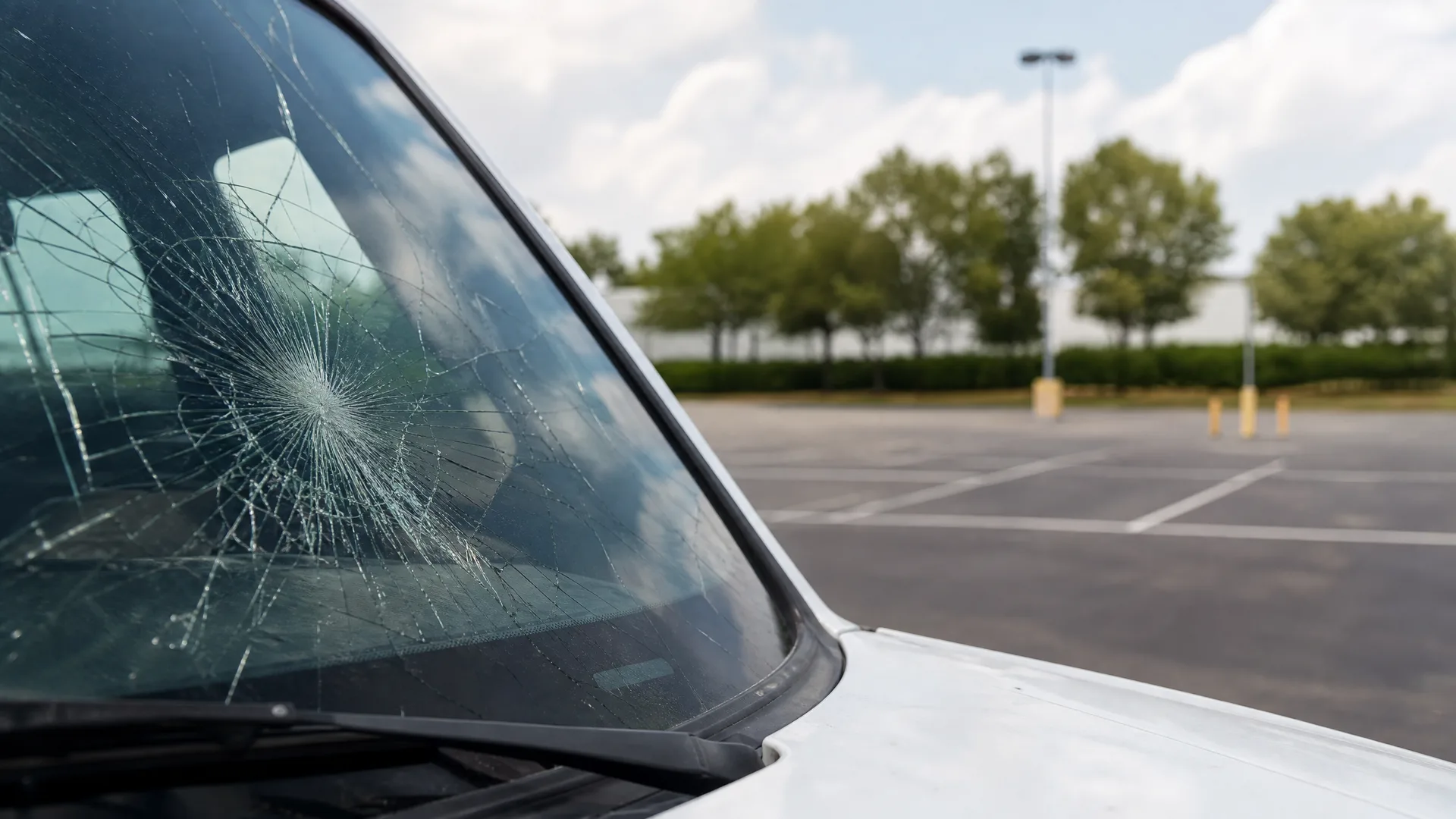
A hailstorm dents your car's hood and cracks the windshield while it's parked at church.
PIP doesn't pay here, since there's no injury involved. Comprehensive coverage handles storm damage to the car itself.
A deer runs into the road at dusk and you swerve, hitting a guardrail hard enough to hurt your shoulder.
PIP pays for your shoulder injury and any related medical care, even though no other driver was involved.
Once you know how you want PIP set up, compare quotes to see how different insurers price it for your situation.
Questions people ask about this
Do I need PIP if I have Medicare?
Yes, it's usually still worth having, since PIP pays faster right after an accident and covers things Medicare doesn't, like lost income. Medicare can step in later, but it isn't built around car accidents specifically. Check whether your state requires PIP regardless, since that may settle the question for you.
Can I be dropped from PIP for using it too much?
Filing a PIP claim after an accident typically doesn't work like other claims that can raise concerns about future coverage, since it isn't about fault. That said, policies vary, so it's worth asking your insurer directly how claims affect your standing. Your own driving record outside of PIP claims usually matters more.
Does PIP cover a passenger who isn't family?
Yes, PIP covers anyone riding in your car at the time of the accident, whether they're related to you or not. The same goes for passengers in someone else's car if you're the one hurt. Check your policy for how many passengers or what total amount it covers.
What happens if PIP runs out before I'm done with treatment?
Once PIP's limit is reached, remaining medical costs usually shift to your health insurance or Medicare. If another driver was at fault, you may also be able to pursue a liability claim to cover what's left. It helps to track your remaining PIP balance as treatment continues.
Is PIP the same thing as no-fault insurance?
PIP is a piece of no-fault insurance, not the whole system. No-fault refers to the broader approach where your own insurance pays regardless of blame, and PIP is the specific coverage that does that paying. Whether your state follows a no-fault system at all varies, so check your policy to see how it's set up.