PIP Coverage for Seniors in Minnesota
PIP, or personal injury protection, pays your own medical bills and related costs after a car accident no matter who caused it.
What PIP actually pays for
Covers
- Medical bills from the crash Doctor visits, hospital stays, and follow-up care connected to the accident get paid regardless of fault.
- Lost income If the accident keeps you from working, PIP can replace a share of what you would have earned.
- Replacement services It can pay for help with tasks you'd normally do yourself, like household chores, while you recover.
- Funeral costs If the crash is fatal, PIP can help cover funeral and burial expenses for the person who died.
- Passengers and pedestrians Anyone riding in your car or struck by it can draw on your PIP, not just you.
Doesn't cover
- Damage to your car PIP is about people, not vehicles. Collision or comprehensive coverage handles the car itself.
- The other driver's injuries from their own fault If you caused the crash, the other driver's own PIP covers them, not yours, in most setups.
- Injuries from a car you don't own regularly Coverage follows the vehicle in many cases, so a borrowed or rented car may work differently. Check your policy.
- Pain and suffering PIP pays actual medical and wage costs. Pain and suffering claims go through liability coverage, often after an injury is serious enough.
- Injuries unrelated to the accident A condition you already had, or a problem that shows up later with no connection to the crash, isn't what PIP was built to pay.
Most drivers in this age group should keep it, even if they rarely use it
Whether PIP is required or optional, and how much of it you're offered, varies by state, so check your own policy or declarations page to see what you're carrying now. For most older drivers, the case for keeping it is straightforward. Medical costs after a crash can be significant, and PIP pays regardless of who caused the accident, which matters if the other driver has little or no insurance. Your health insurance or Medicare may fill gaps, but PIP often pays first and doesn't come with the same claims process or network restrictions. If you're still working, the income replacement matters more. If you're retired and living on fixed income, the medical and household help pieces still matter, maybe more, since paying out of pocket for in-home assistance after an injury can strain a budget fast. The one place to look closely is how much PIP you're paying for versus what you'd realistically need. If you're carrying a large amount of coverage on a car that sits in the garage most of the week, it may be worth adjusting the amount rather than dropping it outright.

How a PIP claim actually works
You report the accident to your insurer and PIP claims usually open separately from any liability claim, since fault doesn't need to be settled first. Many policies apply a deductible before PIP starts paying, so check what yours is set to and whether you've chosen a higher one to lower your premium. Once it's open, the insurer pays your qualifying medical bills and a share of lost income directly, often as the bills come in rather than as one lump sum. Keep records of every appointment, prescription, and any help you hire for things like yard work or driving if your injury limits you, since those replacement-service costs need documentation to be reimbursed. If the claim runs long, stay in touch with the adjuster rather than assuming it's being handled in the background.
PIP versus medical payments coverage
PIP
PIP pays medical bills, lost income, and related costs after a crash, no matter who's at fault. It often includes broader benefits like replacement services and funeral costs.
Medical payments coverage
Medical payments coverage, sometimes called MedPay, pays medical bills only, with no income replacement or household help. It's narrower but can sometimes be added alongside PIP or in states where PIP isn't offered.
If you're choosing between the two, PIP gives you more protection for a similar type of cost, so lean toward PIP where it's available.
Real situations
You're rear-ended at a stoplight on the way to a doctor's appointment and need a few weeks of physical therapy afterward.
PIP pays, since your medical costs are covered regardless of who caused the crash.
A hailstorm dents your car while it's parked at church during a Sunday service.
PIP doesn't pay here, since there's no injury involved and this is vehicle damage, not a medical cost.
You swerve to avoid a deer on a county road at dusk and hit a tree, injuring your shoulder.
PIP pays for your medical treatment and any related lost income, since it applies even in single-vehicle accidents.
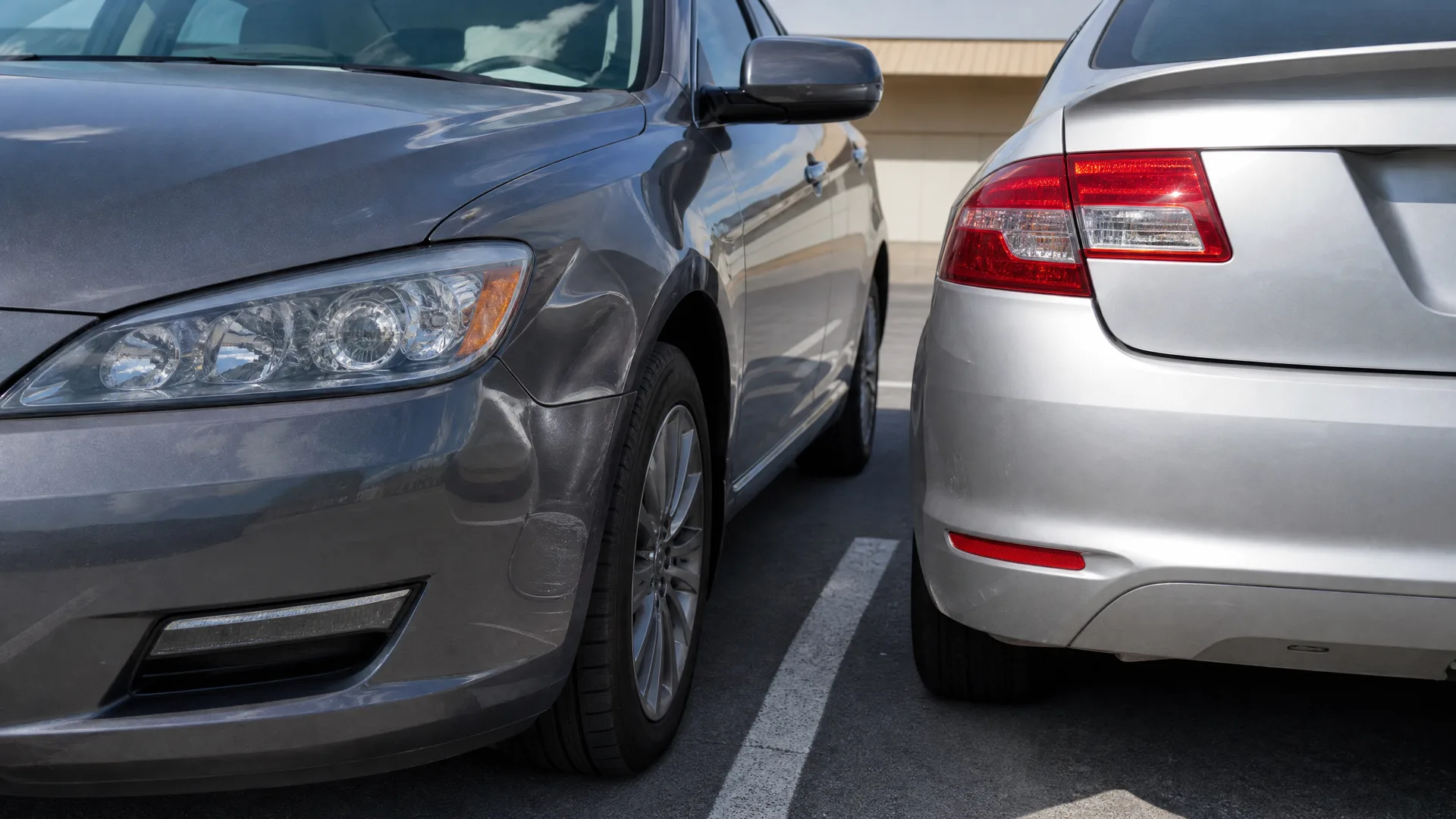
Once you know how much PIP coverage you actually want to carry, you can compare quotes with that figure already decided.
Questions people ask about this
Does PIP cover my spouse if they're driving my car?
Yes, in most cases PIP follows the vehicle, so anyone you've allowed to drive it is covered under your policy while driving it. Whether a spouse living in your household needs their own listed coverage can vary, so check how your policy defines who's included. If your spouse has a separate policy on their own car, the rules for which one pays first can also vary.
Can I use PIP and health insurance at the same time?
Yes, but how they coordinate depends on your policies. PIP often pays first for accident-related care, and your health insurance can pick up anything beyond what PIP covers or anything PIP excludes. Check with both providers about coordination rules so you're not caught paying twice or missing a reimbursement.
Does filing a PIP claim raise my rates?
It can, though it depends on the insurer and the circumstances of the claim. A claim after an accident that wasn't your fault is less likely to affect your rate than one where fault is unclear or shared. Ask your agent directly how your specific insurer handles this before you assume either way.
What happens to unused PIP benefits after I recover?
They simply go unused. PIP isn't a savings account or a payout you collect regardless of need, it only reimburses costs tied to a specific accident. Once you've recovered and all related bills are paid, the claim closes.
Do I still need PIP if I have Medicare?
Many drivers keep it even with Medicare, since PIP can cover costs or gaps Medicare doesn't, like lost income or replacement services. It may also pay before Medicare steps in, which can simplify the process after an accident. Check with your agent about how the two are meant to work together under your specific policy.