PIP Coverage for Seniors in Oregon
PIP, or personal injury protection, pays for medical bills and related costs after a crash no matter who caused it, up to the limit on your policy.
What PIP actually pays for
Covers
- Your own medical bills Doctor visits, hospital stays, and follow-up care after a crash get paid without waiting to find out who was at fault.
- Medical bills for passengers Anyone riding in your car when the crash happened is covered under your PIP too, not just you.
- Lost income after the crash If the crash keeps you from working, PIP can replace some of what you would have earned.
- Help around the house If you can't do tasks you normally handled yourself, like cooking or yard work, PIP can pay someone else to do them for a while.
- Funeral costs If a crash is fatal, PIP can help cover funeral and burial expenses for the person who died.
- Coverage as a pedestrian or cyclist If you're hit by a car while walking or biking, your own PIP can still pay your medical bills.
Doesn't cover
- Damage to your car PIP only pays for injuries, not vehicle repairs. That's handled by collision or comprehensive coverage instead.
- The other driver's injuries PIP pays for you and your passengers. If you caused the crash, your liability coverage handles the other driver's medical costs.
- Injuries from a car you don't own Coverage depends on the specific policy and vehicle involved, so check with your insurer if you're often a passenger in someone else's car.
- Pain and suffering PIP pays actual medical bills and lost income, not a payment for emotional distress or pain. That comes from a liability claim against an at-fault driver, if there is one.
- Bills beyond your policy limit Once your PIP limit is used up, any remaining medical costs shift to your health insurance or to a liability claim.
For most older drivers, this coverage is worth keeping
Medical bills after even a minor crash add up fast, and PIP pays them right away without arguing over fault. That speed matters more as you get older, when a fender bender can mean a hospital stay instead of a bruise.
If you have strong health insurance with low out-of-pocket costs, PIP overlaps with what you already have, and some people reduce it for that reason. But health insurance often doesn't cover lost income or help around the house, and PIP does.
How much you drive still matters. If you're mostly running errands close to home, your exposure is lower than someone who drives a long commute or travels often, but crashes near home happen plenty too.
The cost of carrying PIP is usually modest next to what it pays out, which is why most people keep it even after they've paid off the car and could self-insure the vehicle damage side.
How a PIP claim actually goes
You report the crash to your insurer and they open a PIP claim separately from any liability claim. There typically isn't a deductible on PIP the way there is on collision coverage, so payments usually start once bills come in. Keep copies of medical bills, mileage to appointments, and any note from a doctor saying you can't work or do normal tasks, since that paperwork is what gets reimbursed.
The insurer pays your providers or reimburses you directly as bills arrive, up to your policy limit. If you're also filing a liability claim against another driver, PIP usually pays first while that claim works itself out, and insurers sort out reimbursement between themselves later. You don't have to wait on the other driver's insurance company to get your own medical bills paid.
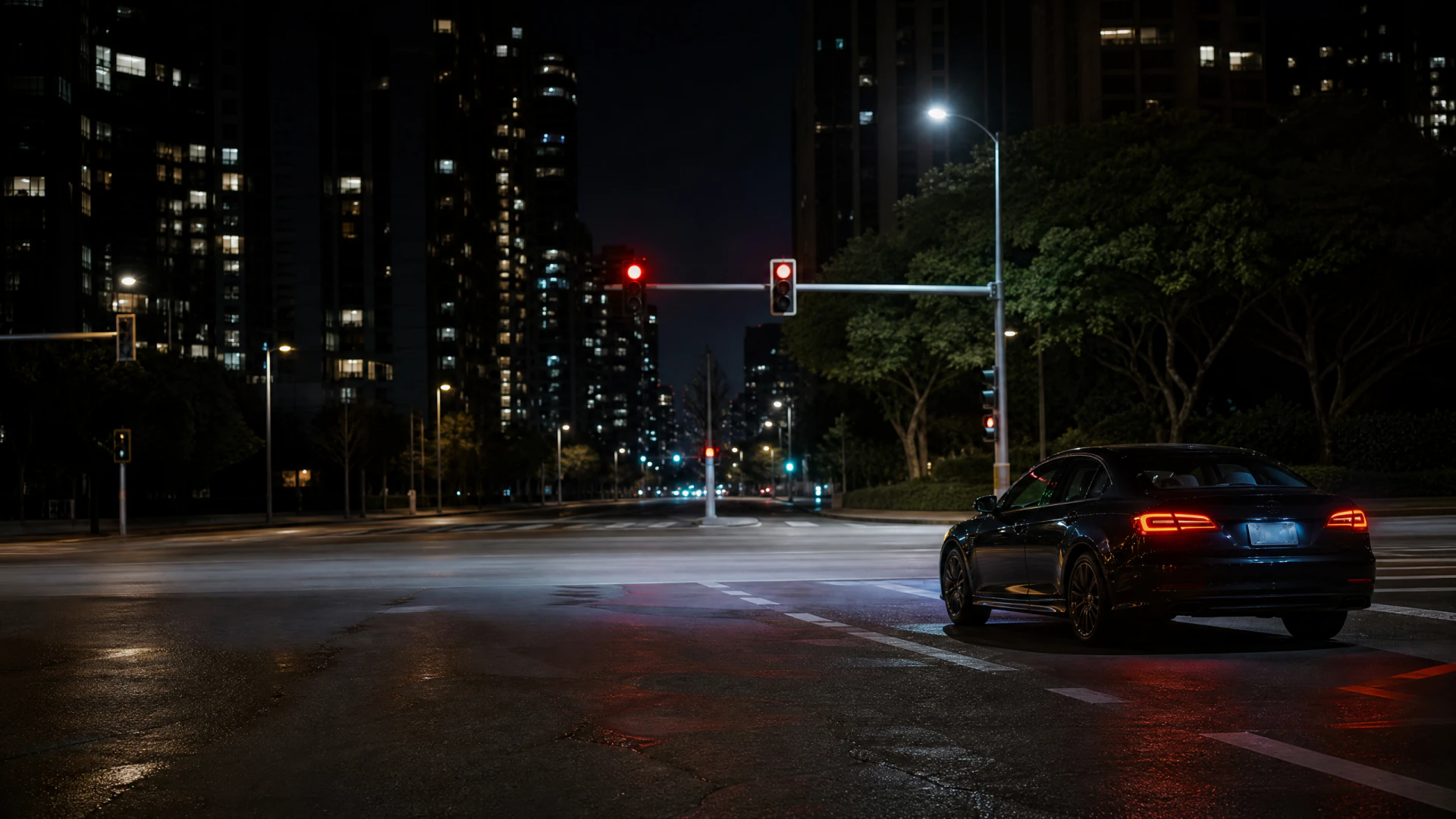
PIP versus medical payments coverage
PIP
PIP pays medical bills, lost income, and help at home after a crash, and it applies no matter who caused it. It's often required or automatically included, though that varies by state, so check your own policy.
Medical payments coverage
Medical payments coverage, sometimes added on top of or instead of PIP, usually pays only medical bills and nothing for lost income or household help. It's simpler and sometimes cheaper, but narrower.
If you're comparing the two, lean toward PIP if you want income and household help covered, and toward medical payments only if your health insurance and savings already cover those gaps well.
Real situations
You're rear-ended at a stoplight on the way to a doctor's appointment and need a few days of physical therapy afterward.
PIP pays, since it covers your medical bills regardless of who caused the crash.
A hailstorm dents your car while it's parked at church and no one is hurt.
PIP doesn't pay here, since there's no injury. Comprehensive coverage handles hail damage.
A deer runs into the road at dusk and your spouse, riding with you, breaks a wrist on impact.
PIP pays for your spouse's injury, since passengers are covered under your policy.
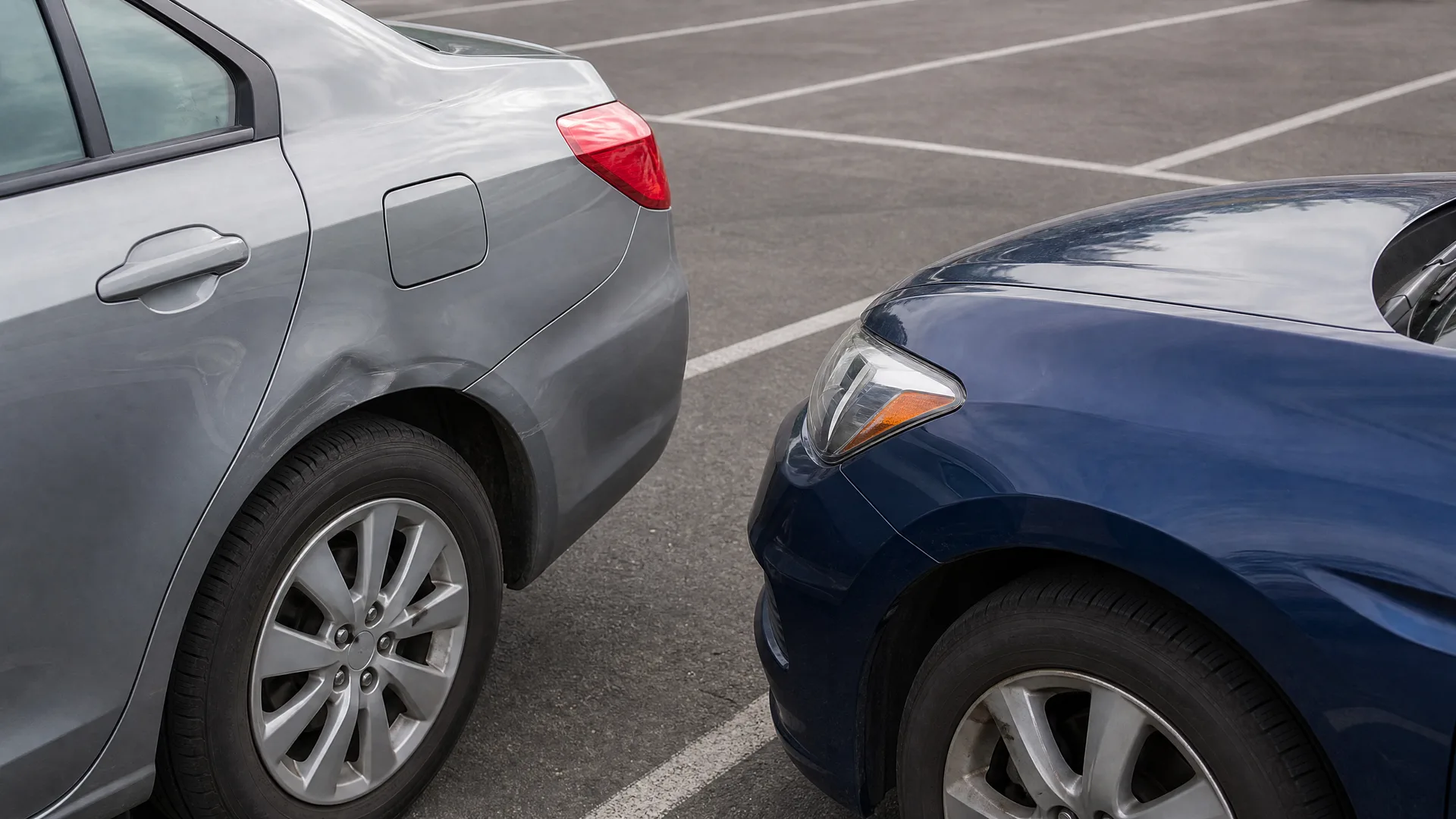
Once you know how you want to handle PIP, you can compare quotes with that figured out instead of guessing at it line by line.
Questions people ask about this
Does PIP cover me if I'm hit as a pedestrian?
Yes, your own PIP coverage can pay your medical bills if you're hit by a car while walking. This applies whether or not you were driving at the time. Check your policy limit to see how much it would cover for an injury like that.
Can I use PIP and health insurance at the same time?
Yes, PIP typically pays first for crash-related injuries, and your health insurance can pick up anything beyond that. The two aren't meant to duplicate each other, they work in sequence. Ask your insurer how they coordinate the two so you're not caught off guard by a bill.
Does PIP cover a passenger who isn't family?
Yes, anyone riding in your car at the time of the crash is generally covered under your PIP, not just relatives. This includes friends or neighbors you're giving a ride. Confirm with your policy since some limits apply per person or per accident.
What happens to unused PIP money?
Nothing, PIP isn't a fund you get back or keep if you don't use it. It only pays out when you file a claim for an actual injury. There's no refund or rollover for coverage you didn't need.
Do I still need PIP if I rarely drive anymore?
Possibly less, but injuries can still happen on short trips or as a passenger in someone else's car. If you've cut back on driving significantly, it's worth asking your insurer how that affects your rate and whether lowering your limit makes sense. Dropping it fully removes a real protection for the trips you do still take.